Blog
Your oral health is a cornerstone of overall well-being, yet navigating the landscape of dental care can feel overwhelming. From understanding who is qualified to clean your teeth to managing unexpected pain, from mastering proper brushing techniques to comprehending the invisible bacterial ecosystem in your mouth, dental health encompasses far more than twice-yearly checkups. In Quebec, patients benefit from rigorous professional standards and robust regulatory protections that set the province apart, but many residents remain unaware of these safeguards or how to maximize their dental care experience.
This comprehensive resource brings together the essential knowledge you need to take control of your oral health. Whether you’re seeking to understand the credentials of dental professionals, looking for guidance on managing dental emergencies, navigating modern orthodontic treatments, or simply wanting to improve your daily hygiene routine, the information ahead will empower you with practical insights rooted in current dental science and Quebec’s specific healthcare context.
Quebec’s Dental Care System: Professional Standards and Patient Protection
The dental care landscape in Quebec operates under some of the most stringent regulatory frameworks in North America, designed specifically to protect patients and ensure consistent quality of care. Understanding this system helps you make informed decisions about your oral health providers.
The Role and Qualifications of Dental Hygienists
Dental hygienists in Quebec are licensed healthcare professionals who complete rigorous three-year college programs accredited by the Ordre des hygiénistes dentaires du Québec (OHDQ). Unlike in some jurisdictions where hygienists primarily clean teeth, Quebec hygienists are trained in collaborative diagnostics, working alongside dentists to identify early signs of oral disease, assess gum health, and even screen for oral cancer. Their scope of practice extends beyond scaling and polishing to include patient education, preventive care planning, and the application of therapeutic treatments like fluoride and sealants.
The certification process requires not only academic excellence but also clinical competency evaluations and ongoing continuing education. This ensures that the hygienist treating you in Montreal possesses current, evidence-based knowledge. When choosing a hygienist, consider asking about their experience with specific concerns you may have—many develop particular expertise in areas like periodontal therapy or working with anxious patients, creating a more personalized care experience.
Regulatory Framework Protecting Quebec Patients
The OHDQ serves as your primary protection against substandard care. This professional order maintains a public registry where you can verify any hygienist’s credentials and check for disciplinary actions. The organization enforces strict continuing education requirements, ensuring practitioners stay current with evolving techniques and technologies. Additionally, Quebec’s fee guide, while not mandatory, provides transparency around typical costs, helping you identify when pricing falls outside reasonable norms.
Patient complaint processes are clearly defined and accessible. If you experience concerns about care quality, professional conduct, or billing practices, the OHDQ investigates thoroughly. This accountability mechanism distinguishes licensed professionals from uncertified providers who may offer similar-sounding services at lower costs but without regulatory oversight or recourse if something goes wrong. Understanding these protections empowers you to advocate for yourself and recognize red flags like practitioners who cannot produce valid licensing credentials.
Spotting Illegal Practice and Maximizing Your Appointments
Illegal dental practice occurs more frequently than many realize, often marketed as “cosmetic services” or “wellness treatments” that fall just outside regulated terminology. Warning signs include providers who cannot show OHDQ registration, offer dental services in non-clinical settings like spas or beauty salons, or claim credentials from unrecognized institutions. The risks extend beyond wasted money—improper scaling can damage enamel, inadequate infection control can transmit diseases, and missed early detection of serious conditions can have lasting health consequences.
With qualified professionals, maximize the educational value of each appointment. Don’t hesitate to ask questions about technique, request demonstrations of proper flossing or brushing, or discuss specific concerns like sensitivity or bleeding. Quality hygienists view patient education as core to their role and will gladly invest time helping you understand your unique oral health situation and personalized maintenance strategies.
When Pain Strikes: Understanding and Managing Dental Discomfort
Dental pain can range from mild sensitivity to intense, debilitating discomfort. Knowing how to interpret these signals and respond appropriately can prevent minor issues from escalating into serious complications.
The Mechanisms of Dental Pain
Dental pain rarely occurs without reason, though its location can be surprisingly deceptive. Referred pain—discomfort felt in a location different from its source—is remarkably common in dental contexts. A damaged lower molar might manifest as ear pain, while sinus inflammation can create the sensation of upper tooth pain. This occurs because nerve pathways in the face and jaw are densely interconnected, with signals sometimes crossing wires before reaching the brain.
The psychology of pain perception also plays a significant role. Anxiety and stress can amplify dental pain signals, creating a cycle where fear of discomfort actually intensifies the sensation. Understanding this connection doesn’t diminish the reality of your pain, but it does open strategies like breathing techniques, distraction, and cognitive reframing as complementary management tools alongside physical interventions.
Safe Self-Management Strategies
When intense pain occurs outside office hours, appropriate self-care can provide relief while you arrange professional evaluation. Over-the-counter analgesics serve as your first line of defense, but usage requires understanding:
- Ibuprofen (Advil, Motrin) reduces inflammation and works particularly well for dental pain, but should be avoided if you have stomach ulcers or are taking blood thinners
- Acetaminophen (Tylenol) offers pain relief without anti-inflammatory effects, making it suitable for those who cannot tolerate NSAIDs
- Combining both medications in alternating doses (under proper guidance) can provide superior relief, but never exceed recommended dosages
- Aspirin should never be placed directly on gums despite old folk wisdom—it causes chemical burns to soft tissue
Common triggers that spike sensitivity include extreme temperatures, sweet foods, acidic beverages, and pressure from chewing. Temporarily avoiding these while seeking care prevents exacerbating the issue. Cold compresses applied to the outside of the cheek can numb nerve endings and reduce swelling, while keeping your head elevated even during sleep minimizes blood pressure in the affected area.
Warning Signs Requiring Immediate Attention
Certain symptoms indicate spreading infection or serious complications that demand urgent professional intervention. Seek immediate care if you experience:
- Fever accompanying dental pain, suggesting systemic infection
- Facial swelling, particularly if it’s rapidly increasing or affecting your ability to breathe or swallow
- Foul taste or discharge from around a tooth, indicating abscess formation
- Swelling in lymph nodes under the jaw or in the neck
- Difficulty opening your mouth or persistent numbness in the face
Dental infections can progress quickly and, in rare cases, spread to vital structures. Montreal has several dental emergency clinics offering same-day appointments, and many general practitioners provide emergency slots. Never let cost concerns delay treatment for these warning signs—untreated dental infections can lead to complications far more expensive and dangerous than prompt care.
Clear Aligner Treatment: Daily Care and Compliance
Orthodontic aligners have revolutionized teeth straightening by offering a nearly invisible, removable alternative to traditional braces. However, their effectiveness depends entirely on proper usage and maintenance—areas where many patients struggle without adequate guidance.
Maintenance and Hygiene Protocols
Aligners create a sealed environment against your teeth, which means any bacteria or food particles trapped inside multiply rapidly. Clean your plastic trays every time you remove them using cool water and either a clear, gentle soap or specialized cleaning crystals. Hot water warps the plastic, compromising the precise fit that makes them effective. Brush and floss your teeth thoroughly before reinserting aligners to prevent cavities forming under the constant coverage.
Morning breath becomes more pronounced with aligner wear due to reduced saliva flow overnight. Establish a routine of removing aligners immediately upon waking, cleaning both them and your teeth before breakfast. Many users keep a dedicated cleaning kit in their bathroom and another in their bag for midday maintenance. This dual-location strategy ensures you’re never without the tools needed for proper hygiene, even when eating away from home.
The Critical Importance of Wear Time
Aligners typically require 22 hours of daily wear to achieve predicted results on schedule. This leaves only two hours total for meals and cleaning—a compliance threshold that catches many patients off guard. Teeth begin shifting back toward their original positions within hours of removing aligners, meaning inconsistent wear doesn’t just slow progress, it creates a frustrating cycle of forward and backward movement.
Track your wear time honestly. Many patients overestimate their compliance, convinced they’re “mostly” wearing their aligners enough. Setting phone reminders for reinsertion after meals, choosing efficient foods that don’t require extended eating periods, and planning your day around treatment requirements dramatically improves outcomes. The difference between completing treatment in 12 months versus 18 months often comes down to these daily discipline habits.
Managing Common Challenges
Social situations present unique obstacles. Many users feel self-conscious removing aligners at restaurants or worry about managing them at events. Develop a discreet routine: excuse yourself to the restroom, remove aligners into their case (never a napkin—they’re frequently thrown away accidentally), and store the case in your pocket or bag. Keep a travel toothbrush and mini toothpaste for a quick clean before reinsertion, though rinsing thoroughly with water suffices when brushing isn’t possible.
Lost tray emergencies require swift action. Contact your orthodontist immediately—they’ll typically advise either moving forward to the next tray if you’re near the end of the wear period, or reverting to the previous tray if you’re early in the cycle. Many practitioners provide backup sets of current trays for this reason. Never simply leave aligners out for extended periods while waiting for replacements, as significant regression can occur within days.
Transitioning between steps can cause temporary discomfort as each new tray applies pressure to move teeth incrementally. This discomfort, typically lasting 24-48 hours, actually indicates the aligners are working. Switch to new trays before bed so you sleep through the initial adjustment period, and time changes to avoid high-stakes presentations or events where discomfort might be distracting.
The Foundation of Oral Health: Effective Brushing Techniques
Brushing seems simple, yet most adults perform it incorrectly, missing critical areas and using ineffective motions that leave plaque undisturbed. Mastering proper technique delivers dramatically better results than expensive products used improperly.
The 45-Degree Angle Method
The most effective brushing targets the gumline, where plaque accumulates and hardens into tartar. Position your brush bristles at a 45-degree angle where teeth meet gums, not perpendicular to the tooth surface. This angle allows bristles to slip gently under the gum margin, dislodging bacteria from the sulcus—the shallow pocket surrounding each tooth. Use gentle, circular or vibrating motions rather than aggressive back-and-forth sawing, which damages gum tissue and creates recession over time.
Think of brushing less as scrubbing and more as massaging bacteria loose. Excessive pressure doesn’t improve cleaning and actually causes bristles to bend away from their optimal working angle. Many people brush far too hard, a habit often rooted in the misconception that vigorous effort equals better results. If your toothbrush bristles splay outward after a month of use, you’re applying too much force.
Adapting Techniques for Specific Conditions
Gum recession requires technique modification to avoid further damage. If recession has exposed root surfaces, use extra-soft bristles and even gentler pressure in those areas, as roots lack the protective enamel covering that crowns possess. Focus your 45-degree angle on the remaining gum tissue rather than the exposed root, and consider a desensitizing toothpaste formulated for exposed dentin.
Bleeding during brushing serves as valuable feedback. Minor bleeding when you first improve your technique is normal—inflamed gums bleed easily, but inflammation decreases as plaque removal improves. However, bleeding should diminish within a week or two. Persistent bleeding suggests either overly aggressive brushing, advanced gum disease requiring professional treatment, or both. It’s not a signal to brush more gently in those areas, but rather to ensure you’re using proper technique and to schedule a hygiene appointment.
Electric Brush Adaptation and Signs of Success
Electric toothbrushes, particularly oscillating or sonic models, remove plaque more effectively than manual brushing for most users. They eliminate the need to create the proper motion yourself—simply position the brush at the correct angle and let the technology work. Many include pressure sensors that alert you when you’re pushing too hard, and timers ensuring you brush the recommended two minutes.
Transitioning from manual to electric brushing requires recalibrating your effort level. The instinct to add manual scrubbing motions while using an electric brush actually reduces effectiveness. Instead, move the brush head slowly from tooth to tooth, pausing briefly on each surface while the bristles do the work. This feels passive compared to manual brushing but produces superior results.
Visual signs of successful brushing include gums that appear pink and firm rather than red and puffy, absence of visible plaque film when you run your tongue across teeth, and the smooth, clean feeling that persists between brushings. Regular hygiene appointments provide professional feedback on which areas you’re missing, allowing you to adjust your technique to target your specific trouble spots.
The Science of Plaque: Why Understanding Bacteria Matters
Plaque isn’t simply “dirt” on teeth—it’s a complex, organized bacterial ecosystem. Understanding its biology transforms oral hygiene from a vague healthy habit into a strategic campaign against a specific, predictable enemy.
How Bacterial Communities Form
Think of plaque as a microscopic city constructed on your tooth surfaces. Within hours of thorough cleaning, pioneering bacteria species arrive and adhere to the acquired pellicle—a protein film that forms naturally on clean teeth. These early colonizers create a foundation that attracts different bacterial species, each contributing to a sophisticated structure called a biofilm. As this city grows, bacteria communicate chemically, coordinate behavior, and build protective matrices that shield the community from antibiotics and antimicrobial mouthwashes.
This architectural complexity explains why rinsing alone cannot control plaque. The bacteria physically attach to tooth surfaces and to each other, requiring mechanical disruption to dislodge. Like trying to clean construction scaffolding with a garden hose, the structure simply won’t dissolve without physical intervention. This biological reality makes brushing and flossing non-negotiable—no chemical product can substitute for mechanical cleaning.
Mechanical Versus Chemical Disruption
Mechanical disruption through brushing and flossing physically destroys the biofilm architecture, scattering bacteria and preventing them from organizing into mature, pathogenic communities. This is why technique matters so profoundly—haphazard brushing misses areas where biofilm grows undisturbed. Once bacteria establish thick, mature biofilm, they become increasingly resistant to disturbance and begin producing acids and toxins that damage teeth and gums.
Chemical adjuncts like antimicrobial mouthwashes play a supporting but secondary role. They can slow bacterial regrowth after mechanical disruption and reduce the numbers of planktonic (free-floating) bacteria, but cannot penetrate mature biofilm effectively. Products containing chlorhexidine, essential oils, or cetylpyridinium chloride offer additional protection, but only when combined with thorough mechanical cleaning. Relying on mouthwash while neglecting brushing technique is like mopping a floor without sweeping first—you’re spreading the problem around rather than removing it.
Timing and Metabolic Considerations
Bacteria metabolize sugars with remarkable speed, producing acid within minutes of exposure. This acid demineralizes enamel, creating the conditions for cavity formation. The frequency of sugar exposure matters more than total quantity consumed—sipping a sugary drink over hours inflicts far more damage than drinking it with a meal, as teeth never get recovery time to remineralize. This explains why dental professionals emphasize limiting snacking frequency rather than simply avoiding sweets entirely.
Night-time represents peak risk for bacterial growth. Saliva production drops dramatically during sleep, eliminating its protective effects: buffering acids, delivering minerals for remineralization, and mechanically washing away bacteria. This makes thorough bedtime brushing and flossing critical—any plaque or food debris left in the mouth has eight undisturbed hours to cause damage. Many people brush more diligently in the morning for social reasons, but evening cleaning has far greater health impact.
Bacterial resistance to antibiotics has dental implications worth noting. While antibiotics can address acute infections, they cannot resolve chronic gum disease caused by biofilm accumulation. The protected environment of mature biofilm allows bacteria to survive antibiotic exposure, and inappropriate antibiotic use for dental issues contributes to broader resistance problems. This underscores that prevention through consistent mechanical disruption remains the cornerstone of oral health—there’s no pill that can substitute for proper daily hygiene habits.
Your oral health journey integrates professional expertise, regulatory safeguards, evidence-based home care, and understanding of the biological processes at work in your mouth. Whether you’re navigating the Quebec dental system for the first time, managing orthodontic treatment, responding to dental pain, or simply seeking to elevate your daily hygiene routine, the knowledge above provides a foundation for informed decision-making. Each topic covered here connects to deeper specialized information, and exploring those details according to your specific needs and circumstances will further empower your path to optimal oral health.
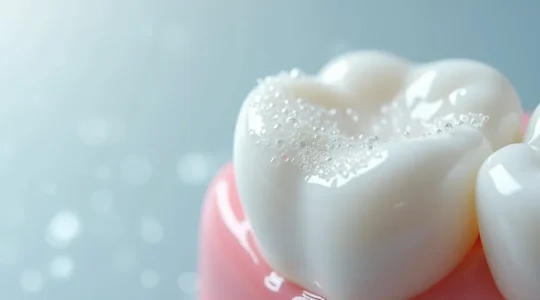
Why Does Plaque Come Back 12 Hours After a Cleaning?
You think brushing and flossing is about cleaning a surface, but it’s not. The disgusting truth is you’re in a constant war with biofilm, a smart, fortress-like bacterial sludge that rebuilds itself within hours. This article reveals its survival tactics…
Read more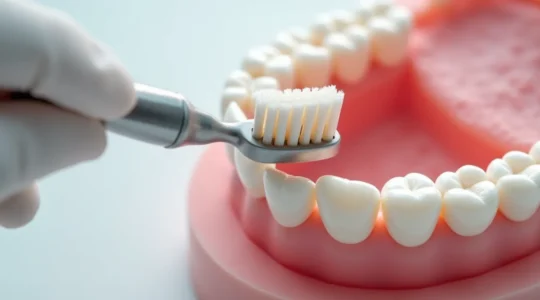
Why brushing the tops of your teeth misses the most critical zone?
If you brush meticulously but still face gum inflammation, the problem isn’t your diligence—it’s your target. The key to ending gingivitis is cleaning the invisible 1-3 millimeter space below the gumline. The sulcular technique requires a precise 45-degree angle to…
Read more
How Does the Order of Dentists Protect You If a Treatment Goes Wrong?
Your protection as a patient goes far beyond simply filing a complaint; it’s a robust regulatory system you can actively use to ensure quality care. You have the right to verify any dentist’s license and specialty status in real-time on…
Read more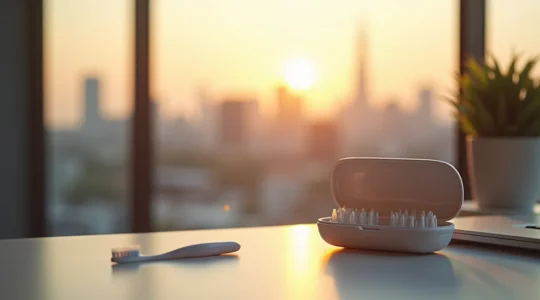
How to Keep Your Transparent Trays Odor-Free During a 12-Hour Workday?
In summary: Ditch abrasive toothpaste for clear antibacterial soap or specialized foams to protect aligner clarity and prevent bacterial growth. Practice “hygiene triage” during your workday: swish with water, use a portable water flosser, or do a quick brush when…
Read more
Why Is Your Toothache Worse at Night and How to Sleep Through It?
In summary: Nighttime tooth pain intensifies due to increased blood pressure in your head (hemodynamic pressure) when you lie down. A specific, staggered combination of Ibuprofen and Acetaminophen offers the most effective, non-opioid pain relief. For Montreal residents, fever, facial…
Read more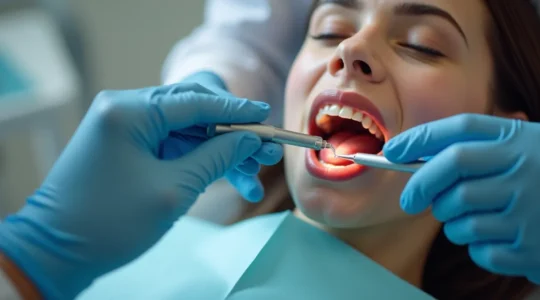
What Can a Registered Hygienist in Quebec Do That a Dental Assistant Cannot?
The critical difference between a Quebec Registered Dental Hygienist and a Dental Assistant is not their tasks, but their legal status: one is an autonomous, regulated health professional, while the other operates under direct delegation. A Registered Dental Hygienist is…
Read more