Dental Tourism in Montreal
Montreal has emerged as a compelling destination for patients seeking high-quality dental care beyond their home borders. Combining internationally recognized healthcare standards with significant cost savings, particularly for American patients, the city offers a unique proposition: access to advanced dental procedures at a fraction of typical U.S. prices, all while experiencing one of North America’s most vibrant cultural destinations.
Whether you’re considering complex implant surgery, full-mouth reconstruction, or cosmetic procedures that have become prohibitively expensive at home, understanding the landscape of dental tourism in Montreal is essential. This comprehensive resource explores everything from vetting qualified specialists and navigating remote consultations to planning logistics and understanding your recourse options—giving you the knowledge to make confident, informed decisions about your dental care journey.
Why Montreal Stands Out for International Dental Patients
Montreal’s appeal as a dental tourism destination rests on several concrete advantages that extend beyond simple cost comparison. Understanding these foundational benefits helps explain why thousands of patients, particularly from the United States, choose this Canadian city for their dental care needs.
The Currency Exchange Advantage
The Canadian dollar typically trades at a favorable rate compared to the U.S. dollar, creating immediate savings before comparing procedure costs. A treatment quoted at CAD $5,000 might represent only USD $3,700 depending on current exchange rates—a discount that compounds when base prices are already lower than American equivalents. This currency differential effectively amplifies the cost savings, making high-end procedures accessible to patients who might otherwise defer treatment indefinitely.
Comparable Safety and Regulatory Standards
Canadian dental care operates under rigorous provincial regulations overseen by the Ordre des dentistes du Québec, which maintains standards comparable to those enforced by American state dental boards. Dentists must complete accredited programs, pass comprehensive examinations, and maintain continuing education requirements. Clinics are subject to regular inspections covering sterilization protocols, infection control, and equipment maintenance—creating an environment where safety isn’t sacrificed for savings. This regulatory framework means you’re accessing genuinely equivalent care quality, not a compromised alternative.
Language and Communication Ease
While Montreal is predominantly French-speaking, the city’s dental practices serving international patients typically offer fully bilingual services. Many dentists and specialists completed portions of their training in English-speaking institutions, and staff are accustomed to communicating complex treatment plans in English. This linguistic accessibility eliminates the communication barriers that complicate dental tourism in many other destinations, ensuring you understand every aspect of your treatment plan, consent forms, and post-operative instructions without ambiguity.
Selecting Your Dental Specialist: Critical Vetting Criteria
The success of your dental tourism experience hinges almost entirely on choosing the right practitioner. Unlike routine cleanings, complex procedures like implant placement, bone grafting, or full-arch rehabilitation demand exceptional skill and judgment. A systematic vetting process protects your health and investment.
Understanding Specialist Titles and Credentials
Canadian dental specialization follows a structured hierarchy. A general dentist completes a four-year Doctor of Dental Medicine (DMD) or Doctor of Dental Surgery (DDS) program. Specialists pursue an additional two to five years of training in recognized disciplines: prosthodontists for complex restorative work, periodontists for gum and bone procedures, oral surgeons for extractions and implant placement, or endodontists for root canal therapy. Verify credentials through the Ordre des dentistes du Québec’s public registry, which lists qualifications and any disciplinary history—a level of transparency that empowers informed decision-making.
Analyzing Portfolios and Technology Infrastructure
Request comprehensive before-and-after portfolios showing cases similar to your needs. Examine not just aesthetic outcomes but also the range of complexity the practitioner handles. A surgeon with extensive full-arch reconstruction experience brings different expertise than one primarily performing single implants. Simultaneously, investigate technology infrastructure: digital scanning, 3D imaging (CBCT), guided surgery systems, and in-house laboratories all contribute to precision and efficiency. Clinics investing in advanced technology typically demonstrate commitment to excellence that extends beyond marketing claims.
Warranty Terms and Reviews
Reputable practitioners offer explicit warranties on their work, typically covering implant failures, crown fractures, or prosthetic defects within specified timeframes. Understand what’s covered, what circumstances void coverage, and how warranty claims are handled for international patients. Complement this with thorough review research across multiple platforms—Google reviews, RealSelf, dental tourism forums—looking for patterns rather than individual testimonials. Consistent praise for communication, outcome quality, and problem resolution matters more than perfect five-star ratings, which may indicate selective filtering.
The Remote Consultation Process: Efficiency Before Arrival
Modern dental tourism leverages technology to accomplish substantial groundwork before you board a flight. Remote assessments streamline planning, establish realistic expectations, and can identify unsuitable candidates early—saving time and preventing disappointment.
Photo Submission and Initial Evaluation
Most clinics provide detailed photo submission guidelines requesting specific angles: front smile, retracted views showing teeth and gums, profile shots, and sometimes intraoral close-ups. Pair these with recent X-rays or scans if available. While not replacing in-person examination, quality photos enable preliminary assessment of aesthetic concerns, obvious structural issues, and treatment complexity. This initial evaluation determines whether you’re a viable candidate and allows the clinic to propose a tentative treatment plan.
Budget Discussion and Treatment Planning
Remote consultations facilitate transparent budget discussions without the pressure of in-person sales environments. Clinics should provide itemized estimates breaking down procedure costs, materials (implant brands, crown types), and expected timelines. Compare not just total costs but specifics: Is a premium implant system included? Does pricing cover temporary restorations? Are potential complications like bone grafting addressed? This detailed planning phase prevents the sticker shock of discovering additional “necessary” procedures after arrival.
Privacy and Security Considerations
Transmitting medical information internationally requires attention to data protection. Reputable clinics use encrypted platforms for photo and record transmission, comply with Canadian privacy legislation (PIPEDA), and maintain secure patient databases. Before sharing sensitive information, confirm the clinic’s security protocols and data handling policies. Legitimate practices readily explain their compliance measures—evasiveness on privacy matters signals potential professionalism deficits extending to clinical care.
Planning Your Dental Journey: Logistics and Timing
Successful dental tourism requires coordinating treatment timelines with travel logistics. Poor planning can result in incomplete procedures, rushed healing, or unnecessary additional trips.
Accommodation and Transportation
Choose accommodations near your clinic to minimize post-procedure travel, especially after sedation or complex surgery. Montreal offers diverse options from boutique hotels in Old Montreal to extended-stay apartments in the Plateau, with many clinics providing curated recommendations. Consider proximity to pharmacies, grocery stores for soft foods, and public transit access. The city’s metro system is efficient, but rideshare services provide door-to-door convenience when you’re recovering and mobility is limited.
Seasonal Considerations
Montreal’s climate varies dramatically between seasons. Winter visits (December through March) bring cold temperatures and snow, potentially complicating travel if flights are delayed or roads become hazardous during your recovery period. Summer and early fall typically offer more reliable weather, though these are peak tourist seasons with higher accommodation costs. Spring (April-May) and late fall (October-November) balance favorable weather with better lodging availability and pricing—ideal for the flexibility dental tourism sometimes requires.
Treatment Timeline Reality Check
Understand the minimum stay requirements for your procedure. Simple crown work might require just two visits over a week, while implant placement with bone grafting could necessitate initial surgery, a healing period of several months, and a return visit for final restoration. Some patients opt for multiple shorter trips; others combine procedures to minimize travel. Discuss realistic timelines during remote consultation—practitioners who promise unrealistically compressed treatment schedules may be prioritizing bookings over optimal clinical outcomes.
Enhancing Your Experience: Treatment Meets Travel
One of dental tourism’s unique advantages is transforming a medical necessity into a memorable experience. Montreal’s rich culture, cuisine, and attractions allow you to combine treatment with genuine vacation elements—when properly timed.
Luxury and Leisure During Recovery
While aggressive sightseeing immediately post-surgery is inadvisable, Montreal offers low-intensity cultural experiences perfect for recovery periods. Art museums like the Montreal Museum of Fine Arts, botanical gardens in warmer months, or simply café culture in the Plateau provide enrichment without physical demands. Many patients schedule intensive sightseeing before procedures, then transition to gentler activities during healing—maximizing their Montreal experience while respecting medical recovery needs.
Navigating Dietary Restrictions
Post-dental surgery often requires soft diet adherence for days or weeks. Fortunately, Montreal excels at cuisine that accommodates these restrictions: silky soups, perfectly prepared fish, yogurt-based dishes, and smooth desserts are culinary staples rather than compromises. Research restaurants understanding dietary needs, consider accommodations with kitchenettes for preparing custom meals, and don’t hesitate to communicate restrictions to servers—Montreal’s food culture prioritizes accommodation over rigidity.
Understanding Limitations and Legal Protections
Informed dental tourism requires acknowledging inherent limitations and understanding your recourse options if complications arise—realities that distinguish knowledgeable patients from those harboring unrealistic expectations.
The Follow-Up Challenge
The most significant dental tourism limitation is geographic distance from your provider during long-term healing. While major complications typically manifest quickly, minor adjustments, bite refinements, or late-developing issues may require return trips or coordination with a local dentist willing to address another practitioner’s work (not always easily arranged). Some Montreal clinics have established referral networks in major U.S. cities; others offer virtual follow-up for minor concerns. Clarify follow-up protocols before committing, and factor potential return visit costs into your budget calculations.
Malpractice and Recourse Options
If serious negligence occurs, you have recourse through the Ordre des dentistes du Québec’s complaint process, which investigates substandard care allegations and can impose sanctions. However, pursuing legal action across international borders involves complexity and expense often disproportionate to dental claims. This reality makes upfront vetting critical—prevention vastly outweighs remediation attempts. Travel insurance specifically covering dental tourism complications provides another layer of financial protection, though policies vary significantly in coverage terms.
Screening for Tourism Suitability
Not every patient is an ideal dental tourism candidate. Those with complex medical conditions requiring close coordination between dental and medical providers, patients with severe dental anxiety needing extensive psychological support, or individuals unable to accommodate flexible scheduling for potential complications face additional challenges. Honest self-assessment and candid discussion with prospective providers about your specific situation prevents mismatched expectations that benefit neither patient nor practitioner.
Dental tourism in Montreal represents a viable, well-established option for patients seeking quality care at reduced costs. Success requires diligent research, realistic expectations, and systematic planning—but for thousands of patients annually, the combination of excellent outcomes, significant savings, and memorable cultural experiences makes Montreal a destination worth serious consideration for your dental care needs.

How to Plan a “Dental Vacation” in Montreal That Feels Like a Holiday?
Transforming your dental procedure into a luxury wellness retreat is not only possible but is the new standard for sophisticated travelers in Montreal. The key is to meticulously plan your recovery environment, from 5-star hotels with medical-aware concierges to gourmet…
Read more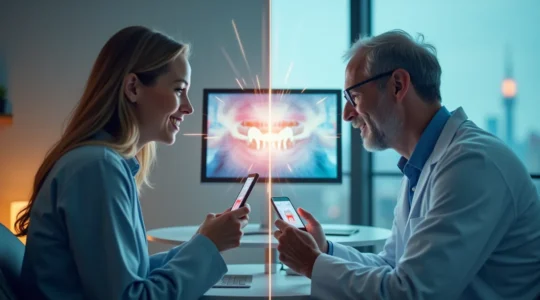
Virtual Dental Consults: A Viability Check Before You Travel to Montreal for Treatment?
A virtual consultation is your most critical tool for vetting dental tourism to Montreal, shifting the goal from a risky remote diagnosis to a confident viability assessment. Accurate self-photos and secure data transmission that complies with Canadian privacy laws (PIPEDA)…
Read more
How to Verify a Montreal Dentist’s Implant Credentials Before Booking?
Choosing an implant dentist in Montreal for a high-stakes procedure isn’t about finding the best price; it’s about verifying true specialist credentials and technological capacity. Verify specialist designations like “Periodontist” or “Prosthodontist” directly on the Ordre des dentistes du Québec…
Read more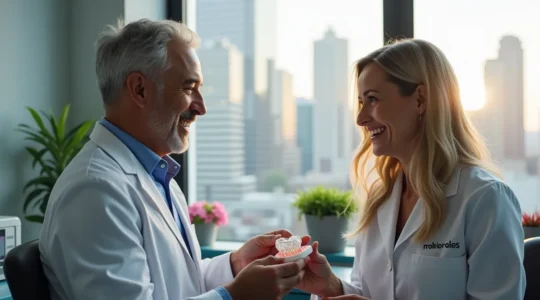
Why Are Americans Traveling to Montreal for Major Dental Work?
For US residents, particularly from the Northeast, Montreal offers a powerful value arbitrage opportunity in major dental care, combining savings of over 50% with equivalent clinical standards and robust patient protections. The favorable USD/CAD exchange rate provides an immediate cost…
Read more