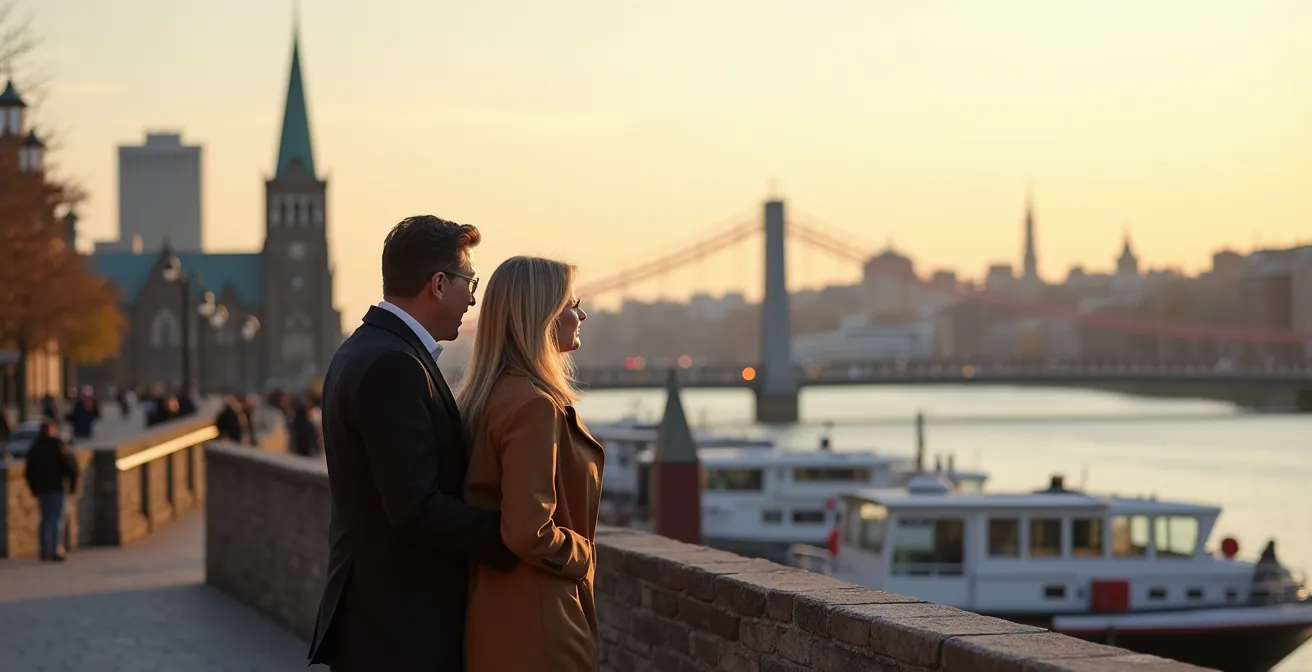
Transforming your dental procedure into a luxury wellness retreat is not only possible but is the new standard for sophisticated travelers in Montreal.
- The key is to meticulously plan your recovery environment, from 5-star hotels with medical-aware concierges to gourmet soft-food dining.
- Montreal offers unique, low-impact activities like spa therapies and museum visits that are perfect for a chic and comfortable convalescence.
Recommendation: Shift your focus from simply finding a clinic to curating a complete restorative journey, where your comfort and well-being are the top priority.
The idea of a “dental vacation” often conjures images of compromising on comfort for the sake of cost savings. Many Americans are indeed drawn to Montreal for its high-quality dental care at a more accessible price point, but this is only a fraction of the story. The common advice revolves around clinical logistics and generic tourist checklists, entirely missing the point for the sophisticated traveler. What if the journey was not a medical necessity to be endured, but a restorative experience to be savored?
This is where the concept of a curated dental holiday comes into focus. The true opportunity lies in weaving your dental procedure into the fabric of a luxury city break in one of North America’s most vibrant, European-style cities. This isn’t about finding the cheapest option; it’s about designing a bespoke itinerary where your recovery is as pampered and meticulously planned as your new smile. It’s about leveraging Montreal’s world-class hospitality to create a seamless transition from clinic to comfort.
This guide acts as your personal recovery concierge. We will move beyond the clinical and explore the logistics of luxury. We’ll detail where to stay for optimal tranquility, how to enjoy gourmet meals on a restricted diet, what restorative activities to embrace during your convalescence, and how to navigate the city with ease. Your trip to Montreal can be a true holiday, with your dental work as the catalyst for a journey of rejuvenation.
To help you craft this flawless experience, we have structured this guide to address every logistical and lifestyle aspect of your trip. From selecting the perfect hotel sanctuary to planning your post-procedure activities, each section provides the detailed insights you need for a comfortable and elegant stay.
Summary: A Concierge’s Guide to Your Montreal Dental Holiday
- Where to Stay in Montreal for Easy Access to Top Dental Clinics?
- Best Montreal Restaurants for Patients on a Liquid or Soft Diet?
- Museums and Spas: What Can You Do With a Swollen Face?
- Uber vs. Metro: Getting Around Montreal After Sedation?
- Summer Festivals or Winter Cozy: When Is the Best Time for Dental Travel?
- Why Are Americans Traveling to Montreal for Major Dental Work?
- How to Plan a Full Smile Makeover in Montreal Before a Major Event?
- Where to Stay in Montreal for Easy Access to Top Dental Clinics?
Where to Stay in Montreal for Easy Access to Top Dental Clinics?
Your choice of accommodation is the cornerstone of a successful restorative journey. It’s not merely a place to sleep, but your sanctuary for recovery. For a dental trip, the ideal hotel must blend luxurious comfort with practical, recovery-focused amenities. The prime location is downtown Montreal’s Golden Square Mile, which offers an unparalleled concentration of high-end clinics, 24-hour pharmacies, and luxury hotels experienced in catering to medical tourists.
Leading this category are establishments like the Ritz-Carlton and the Four Seasons. These hotels are not just close to top dental practices; their concierge teams are adept at handling the specific needs of recovering patients. The Ritz-Carlton Montreal, following a $200 million renovation, combines historic grace with modern tranquility. Similarly, the Four Seasons offers a contemporary, serene environment. The key is to look for hotels that offer 24-hour in-room dining with customizable menus, blackout curtains for uninterrupted rest, and impeccable soundproofing.

As this image suggests, the ideal recovery suite is a tranquil haven above the city. Floor-to-ceiling windows provide uplifting natural light and a calming view, while the interior is a cocoon of comfort. This is the environment you should seek: one that promotes healing and peace, allowing you to recuperate in style and privacy. When booking, don’t hesitate to inform the concierge of your situation; they are your best ally in ensuring a seamless stay.
Best Montreal Restaurants for Patients on a Liquid or Soft Diet?
A post-procedure soft-food diet does not mean you must sacrifice a cornerstone of Montreal’s appeal: its exceptional culinary scene. The concept of a gourmet recovery is entirely achievable with a little planning. The city’s top restaurants, particularly those within luxury hotels, are well-equipped to cater to specific dietary needs without compromising on flavor or elegance. Your concierge can communicate your requirements in advance, ensuring a seamless dining experience whether in the restaurant or via in-room service.
French cuisine, with its mastery of sauces, soups, and purées, is perfectly suited for a soft diet. Look for establishments that offer a sophisticated *velouté* or *consommé*. A prime example is Maison Boulud at the Ritz-Carlton, helmed by 2-Michelin star Chef Daniel Boulud. Here, exquisite soups, delicate fish preparations, and perfectly smooth vegetable purées are standard fare. Their 24/7 room service allows you to enjoy these masterful creations in the comfort and privacy of your suite.
Beyond the hotel, your culinary options remain plentiful. Consider these choices to build your soft-diet itinerary:
- Upscale Italian Restaurants: Many offer risotto that can be prepared with extra broth for a softer consistency.
- Health-Focused Cafés: Abundant in neighborhoods like Westmount, these spots are perfect for nutrient-dense smoothie bowls, fresh juices, and wellness broths.
- Fine Dining Venues: Don’t be shy about requesting vegetable sides to be puréed. A top-tier kitchen will almost always accommodate a reasonable request to ensure a guest’s comfort.
- Bone Broth Bars: A growing trend in wellness, these establishments offer deeply nourishing broths that are both easy to consume and beneficial for healing.
By exploring these options, your recovery period can become a culinary discovery, proving that a restricted diet in Montreal is anything but restrictive.
Museums and Spas: What Can You Do With a Swollen Face?
Convalescence doesn’t require you to be confined to your hotel room. The key to enjoying Montreal post-procedure is to embrace “convalescence chic”—choosing low-impact, high-reward activities that promote relaxation and healing. This is the perfect time to explore the city’s cultural and wellness offerings at a leisurely pace, away from the bustling crowds.
A primary concern after dental work is swelling. Instead of just waiting for it to subside, you can actively and luxuriously address it. Montreal’s renowned Bota Bota, a spa set on a ferryboat in the Old Port, is an ideal destination. Here, you can book a specialized treatment that directly aids recovery. The lymphatic drainage massage is a gentle, painless technique performed by registered massage therapists specifically designed to reduce swelling and boost the immune system. It transforms a side effect of your procedure into a reason for a spa visit.
The atmosphere of a high-end spa, with its focus on tranquility and healing, is perfectly aligned with a restorative journey. Beyond targeted treatments, the serene water circuits, saunas, and relaxation areas offer a peaceful escape. The floating spa features 5 decks with 4 saunas, providing ample space for quiet contemplation with a view of the city skyline. For cultural enrichment, consider a quiet afternoon at the Montreal Museum of Fine Arts. Its vast, calm galleries allow you to immerse yourself in art without physical exertion, making it an ideal outing when you prefer to be discreet and relaxed.
Uber vs. Metro: Getting Around Montreal After Sedation?
Navigating a new city after a dental procedure, especially if sedation was involved, requires careful planning where safety and comfort are paramount. While Montreal’s Metro system is clean and efficient for a typical tourist, it is not recommended for the first 24 to 48 hours post-sedation. The need to walk to stations, navigate stairs, and stand in a moving vehicle poses an unnecessary risk of falls or disorientation.
For immediate post-procedure transportation, private, door-to-door service is the only sensible option. Ride-sharing services like Uber or a traditional taxi offer the best balance of convenience and safety. It’s wise to book your ride in advance for your pickup from the clinic, so you are not left waiting. For the ultimate in comfort and peace of mind, arranging a private car service through your hotel’s concierge is the premium choice. The driver will be briefed on your needs, ensuring a smooth and stress-free journey back to your hotel sanctuary.
This comparative table, based on insights from Montreal dental providers catering to tourists, breaks down your best options:
| Transportation | Safety Post-Sedation | Cost | Convenience |
|---|---|---|---|
| Uber/Taxi | Recommended (door-to-door) | $15-30 per trip | High – no walking required |
| Private Driver | Best option | $200-400/day | Highest – dedicated service |
| Metro | Not recommended first 24-48 hours | $3.75 per trip | Low – requires walking/stairs |
| RÉSO Underground | Good after 48 hours | Free access | Medium – weather protected |
Once you are feeling more mobile after a couple of days, Montreal’s famous RÉSO (the “Underground City”) becomes an excellent option. This climate-controlled network of tunnels connects shopping malls, hotels, and Metro stations, allowing you to move around downtown comfortably, shielded from inclement weather, be it summer heat or winter snow.
Summer Festivals or Winter Cozy: When Is the Best Time for Dental Travel?
Timing your dental holiday to Montreal involves a trade-off between the city’s vibrant energy and the desire for a tranquil recovery. Your ideal season will depend on whether you prefer to be a quiet observer of the city’s peak-season buzz or to cocoon yourself in its cozy winter charm. Each season offers a distinct experience and budget consideration for your restorative journey.
Summer in Montreal is world-famous for its festivals, from the Jazz Festival to Just for Laughs. The city is alive with energy, outdoor terraces are bustling, and the weather is beautiful. However, this is also peak tourist season. As travel data indicates, Montreal’s peak tourist season runs from June to September, which means higher prices for flights and hotels, and a need to book your clinic and accommodations well in advance. While exciting, the crowds might be overwhelming during the initial days of your recovery.
Conversely, the shoulder seasons and winter offer a more peaceful and cost-effective alternative. Here is a seasonal breakdown to help you decide:
- Spring (May-June): Often considered ideal. The weather is pleasant, the city is beautiful as it comes into bloom, and you’ll find better availability and pricing before the summer rush.
- Fall (September-October): Another excellent choice. The summer crowds have dissipated, the autumn foliage is stunning, and the weather remains mild. This is a perfect time for leisurely walks on Mount Royal once you are feeling up to it.
- Winter (January-March): This is the time for the best rates on luxury hotels. If your goal is to create a cozy, indoor-focused recovery retreat—enjoying your hotel’s spa, in-room dining, and the Underground City—winter is a superb option. You can recover in serene privacy, away from any tourist throngs.
Ultimately, the “best” time is subjective. A summer trip requires more advance planning and a higher budget but offers a vibrant backdrop, while a winter trip prioritizes quiet, cozy recovery and value.
Why Are Americans Traveling to Montreal for Major Dental Work?
The trend of Americans seeking dental care abroad is a significant and growing phenomenon. Driven by a desire for high-quality care that is more affordable than in the U.S., the market is expanding rapidly. According to recent analysis, the U.S. dental tourism market is expected to reach $3.16 billion by 2033. Within this landscape, Montreal has carved out a unique niche, attracting a discerning clientele who are unwilling to compromise on quality or safety.
The primary driver is the compelling value proposition: receiving world-class dental care, often for significantly less cost than in major U.S. cities, without sacrificing standards. Montreal’s top dentists are often trained in both Canada and the United States, holding certifications from prestigious organizations like the American Academy of Cosmetic Dentistry (AACD). They use the same state-of-the-art technology and materials as their American counterparts, but their overhead costs are lower, allowing for more competitive pricing on major procedures like full-mouth reconstructions, veneers, and dental implants.
Beyond cost, the appeal is logistical and cultural. Montreal is easily accessible from the U.S. Northeast, with no significant time zone changes. There are no language barriers in professional settings, and the city’s cosmopolitan, safe, and clean environment provides a comfortable backdrop for a medical trip. This combination of first-world standards, exceptional skill, and significant cost savings makes Montreal a powerful and logical choice for Americans planning major dental work.
Your Checklist: Vetting a Montreal Dental Clinic
- Verify the dentist’s active membership with the Ordre des dentistes du Québec (ODQ), the official regulatory body.
- Check for international credentials, such as certifications from the American Academy of Cosmetic Dentistry or similar esteemed groups.
- Thoroughly review the clinic’s portfolio of before-and-after photos to assess the quality and aesthetic of their work.
- Confirm the clinic’s experience and willingness to assist with the paperwork for American dental insurance plans.
- Inquire about their specific post-operative communication protocols for international patients to ensure continued support after you return home.
How to Plan a Full Smile Makeover in Montreal Before a Major Event?
Planning a full smile makeover, especially before a significant life event like a wedding or a major career milestone, is an exercise in meticulous project management. The timeline is your most critical asset. Unlike a simple procedure, a smile makeover often involves multiple stages—consultations, preparatory work, the main procedures, and crucial healing time. Coordinating this with travel requires a strategic, long-term approach.
Your planning should begin at least six to twelve months before your event. The first step is a virtual consultation. Thanks to modern technology, you can connect with your chosen Montreal dentist to discuss your goals, share photos, and receive a preliminary treatment plan and timeline without leaving home. This initial phase is crucial for establishing rapport and ensuring the clinic’s vision aligns with yours.
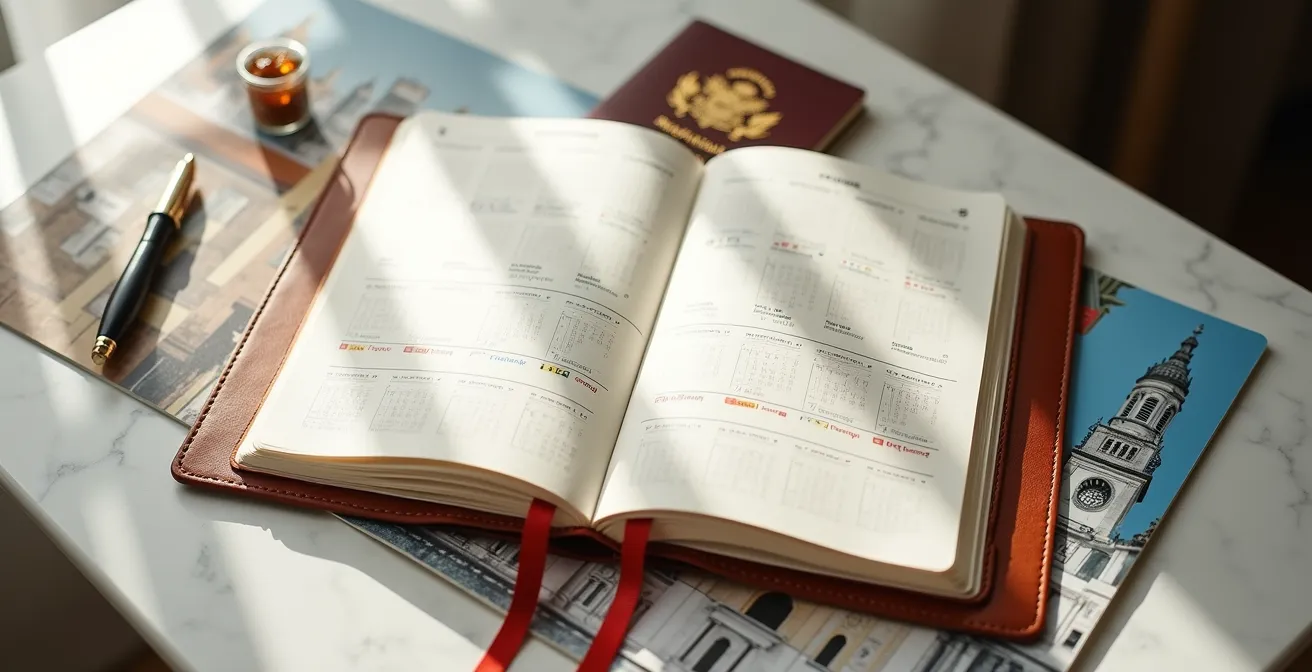
Once the plan is in place, you must map out your appointments and recovery periods on a calendar, as symbolized above. This isn’t just about booking flights; it’s about blocking out dedicated time for both the procedures and, just as importantly, the recovery. For a full smile makeover, you may need to plan for one or two separate trips to Montreal. You must also factor in a “social downtime” buffer—a period after your final procedure but before your major event, to allow any residual swelling or sensitivity to completely resolve and to become fully accustomed to your new smile.
Work backward from your event date. A successful smile makeover is never rushed. By treating the process with the detailed attention of a luxury travel itinerary, you ensure a stunning, confident smile and a stress-free journey to revealing it.
Key Takeaways
- Shift your mindset from “medical trip” to “restorative journey,” making your comfort and well-being the central goal.
- Leverage Montreal’s luxury hospitality by choosing hotels with medical-aware concierges and 24-hour gourmet room service.
- Plan your activities around recovery, opting for low-impact, high-reward experiences like spa therapies and museum visits.
Where to Stay in Montreal for Easy Access to Top Dental Clinics?
While we’ve established the caliber of Montreal’s luxury hotels, the strategic importance of your chosen *neighborhood* cannot be overstated. For a dental trip, your location dictates the ease of your entire experience. While charming neighborhoods like Old Montreal or the Plateau Mont-Royal are fantastic for a typical vacation, for a restorative journey, the Golden Square Mile and the adjacent Downtown core are functionally superior and should be your exclusive focus.
The primary advantage of this district is its hyper-concentration of essential services. This is where you will find the highest density of internationally recognized dental specialists, meaning your travel time to appointments will be a short, stress-free walk or a minimum-fare taxi ride. This proximity is invaluable on days when you are feeling tired or sensitive post-procedure. Furthermore, this area is home to major hospitals and an abundance of 24-hour pharmacies, providing critical peace of mind should you need medication or supplies at an odd hour.
This central hub is also the nexus of Montreal’s transportation network. It offers direct access to both the Green and Orange Metro lines, as well as the city’s main bus routes. More importantly for your recovery, it is the most well-serviced area by taxis and Ubers. The ability to step out of your hotel and have a private car available within minutes is a non-negotiable comfort. By centering your stay in this strategic zone, you eliminate logistical friction and ensure your energy is reserved for what truly matters: a peaceful and efficient recovery.
To begin crafting your own bespoke Montreal dental holiday, the next logical step is to start your research and reach out for a preliminary consultation to align your dental goals with your travel aspirations.