
The title “cosmetic specialist” is primarily a marketing term in Quebec and is not a recognized specialty by the province’s official dental authority.
- True expertise is proven by verifiable post-graduate training, a transparent process using technology like digital mockups, and a portfolio of comparable cases.
- Relying on a self-proclaimed title or a free consultation can lead to unsatisfactory results with limited official recourse for aesthetic issues.
Recommendation: Your focus should be on vetting a dentist’s specific training and systematic process for smile design, not their advertised title.
In a city as conscious of aesthetics as Montreal, the pursuit of a perfect smile is understandable. You see stunning before-and-after photos, and the term “cosmetic dentist” seems to promise a level of artistry beyond routine dental care. Many patients begin their journey by searching for a “specialist,” assuming this title guarantees superior results for procedures like porcelain veneers or full smile makeovers. They browse galleries, looking for a smile they can claim as their own.
However, here is the candid truth from inside the industry: the landscape of cosmetic dentistry in Quebec is not what it seems. While general advice encourages you to “find a good dentist,” this vague instruction is insufficient when your financial and emotional investment is so high. The common approach of choosing a provider based on a flashy website or a free consultation often overlooks the most critical factors that determine success or failure.
The key isn’t finding someone with the “specialist” label, but understanding what truly constitutes expertise in an unregulated field. What if the secret to avoiding regret lies not in the final photos, but in the preliminary process? This article pulls back the curtain on the qualifications that matter. We will explore why the “cosmetic specialist” title is misleading in Quebec, how to identify the red flags in a consultation, and what technological safeguards you must insist on before committing to a life-changing procedure.
This guide provides a clear framework for navigating the Montreal cosmetic dentistry scene. By understanding the official regulations, the right questions to ask, and the planning involved, you can confidently select a practitioner whose skills match their marketing claims.
Summary: Uncovering True Cosmetic Dental Expertise in Quebec
- Why “Cosmetic Dentist” Isn’t a Recognizable Specialty by the ODQ?
- Why a Free Consultation Might Cost You More in the Long Run?
- How Digital Mockups Prevent “Buyer’s Remorse” with Veneers?
- What Are Your Options If You Hate Your New Smile?
- Why You Should Ask Where Your Dentist Learned to Do Veneers?
- How to Plan a Full Smile Makeover in Montreal Before a Major Event?
- Prep vs. No-Prep Veneers: Which One Looks More Natural?
- How Digital Mockups Prevent “Buyer’s Remorse” with Veneers?
Why “Cosmetic Dentist” Isn’t a Recognizable Specialty by the ODQ?
The most crucial fact for any patient in Quebec to understand is that “cosmetic dentistry” is not a formally recognized field of specialization. The Ordre des dentistes du Québec (ODQ) is the governing body that sets the professional standards for all dentists in the province. According to their official guidelines, there are only 9 board-certified dental specialties, which include fields like orthodontics (braces), periodontics (gums), and endodontics (root canals). The term “cosmetic dentist” is absent from this list.
This means any general dentist can advertise themselves as a cosmetic dentist, regardless of their level of supplementary training or experience. The title is a marketing descriptor, not a professional designation of verifiable artistry. This lack of regulation places the burden of verification entirely on the patient. You cannot rely on a title to tell you if a dentist has completed the hundreds of hours of post-graduate, hands-on training required to master the complex art and science of smile design.
The ODQ’s position reflects a fundamental principle in healthcare: treatments are subject to biological variables and individual patient responses. This is why the organization is clear about the limits of guarantees in dentistry. As the ODQ states in its public resources:
Since the success of a treatment can be influenced by many factors beyond dentists’ control, and since each person responds differently to treatments, dentists cannot offer a guarantee on the dental care they provide.
– Ordre des dentistes du Québec, ODQ Frequently Asked Questions
This stance underscores why a dentist’s commitment to a meticulous, predictable process is more valuable than any self-proclaimed title. Since outcomes cannot be guaranteed, the quality of the diagnostic and planning stages becomes the best predictor of success.
Why a Free Consultation Might Cost You More in the Long Run?
In the competitive Montreal market, a “free cosmetic consultation” can seem like a risk-free way to explore your options. However, an experienced industry insider views this offer with caution. A truly comprehensive aesthetic evaluation is a complex diagnostic service that requires significant time and clinical resources. When it’s offered for free, it often functions more as a sales meeting than a medical assessment, which can lead to costly oversights.
A proper initial workup, or what can be called a diagnostic blueprint, should involve a thorough examination of your entire oral health system. This includes necessary X-rays, impressions or digital scans, and a detailed assessment of your gums, bite (occlusion), and the underlying tooth structure. For instance, leading Montreal clinics like Montreal Smiles emphasize that identifying and treating issues like decay or periodontal disease beforehand is non-negotiable. Building beautiful veneers on an unhealthy foundation is a recipe for failure. A rush to treatment without this step can lead to veneers that debond, fracture, or fail prematurely because the underlying issues were ignored.
A paid, comprehensive consultation signals that the dentist values their diagnostic time and is focused on your long-term health, not just a quick sale. This initial investment protects you from much greater costs down the line. Scientific literature supports this approach; studies show that porcelain veneers can achieve an over 90% survival rate for more than 10 years when a proper, health-first assessment and conservative preparation are performed. Skipping this crucial first step to save on a consultation fee is a gamble that rarely pays off.
How Digital Mockups Prevent “Buyer’s Remorse” with Veneers?
One of the biggest fears in cosmetic dentistry is “buyer’s remorse”—the devastating feeling of investing thousands of dollars only to be unhappy with the final result. The most powerful tool to prevent this outcome is the digital mockup, a core component of a process-driven results methodology. This technology allows you to test-drive your new smile before any permanent alterations are made to your teeth.
The process goes far beyond simply looking at simulated images on a screen. It involves creating a tangible, temporary version of your new smile that you can actually wear. Top Montreal clinics utilize Digital Smile Design (DSD) technology, where precise digital impressions are used to design and fabricate a set of temporary veneers or a “wax-up.” You wear this trial smile for a few days, allowing you to experience how it looks, feels, and functions in your daily life. You can show it to family and friends, take photos, and ensure the tooth shape, length, and colour are exactly what you envisioned.
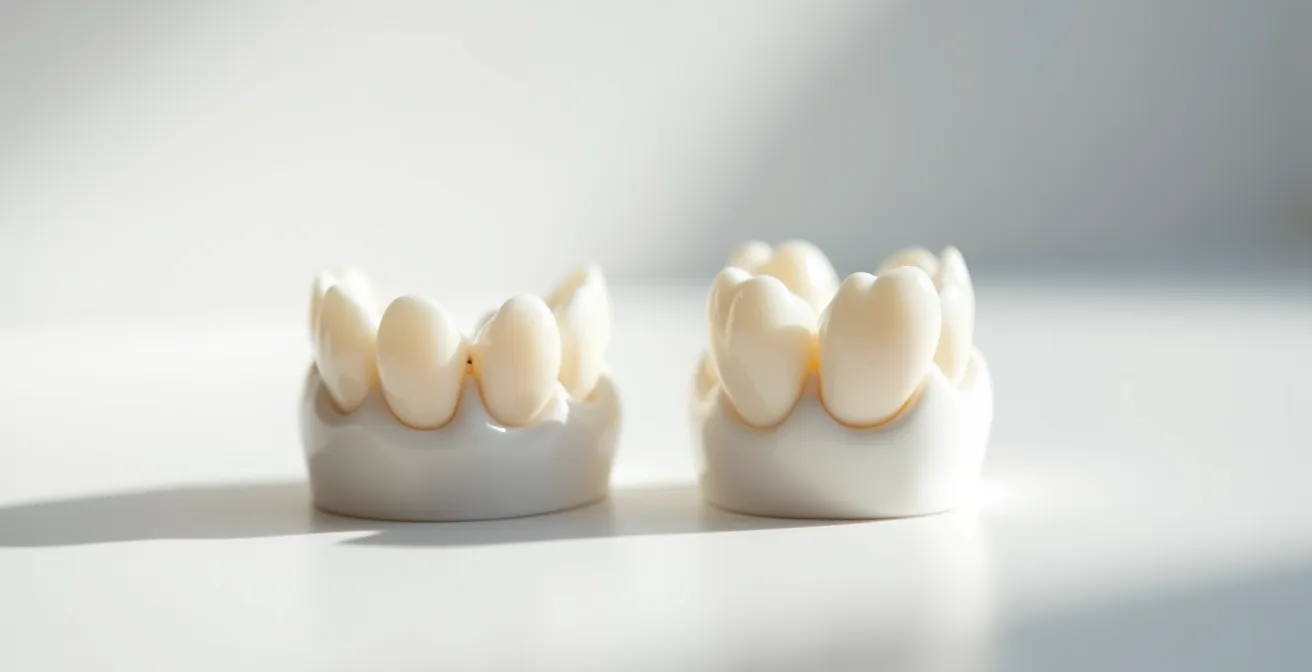
This trial period is your opportunity for feedback. Based on your experience, the dentist can make adjustments to the design. This collaborative process ensures the final, permanent veneers are crafted only after you have given your full, confident approval. This is not just about aesthetics; it is about confirming function, comfort, and phonetics. It is the ultimate insurance policy against dissatisfaction.
Your Action Plan: The Digital Mockup Workflow to Expect
- Initial Data Collection: The process begins with high-resolution photos, videos, and precise digital impressions of your teeth.
- Collaborative Design: Your dentist designs the proposed new smile based on your goals and facial aesthetics, often using specialized DSD software.
- Temporary “Test Drive”: A physical wax-up or set of temporary veneers is created for you to wear, allowing you to evaluate the design in real-world conditions.
- Feedback & Refinement: You provide feedback on the look, feel, and function, and the dentist makes any necessary modifications to the design.
- Final Fabrication: Only after your explicit approval are the final, permanent porcelain veneers crafted based on the perfected temporary model.
What Are Your Options If You Hate Your New Smile?
Despite the best intentions, sometimes a patient is unhappy with the final outcome of their cosmetic dental work. In this distressing situation, understanding your options in the Quebec context is crucial. Your first and most important step should always be to communicate directly with your dentist. A reputable practitioner wants you to be happy and will often be willing to explore solutions, whether it involves minor adjustments or more significant revisions.
However, if dialogue fails, many patients mistakenly believe they can file a complaint with the ODQ for financial compensation. This is where understanding the right of recourse is critical. The ODQ’s role, through its Office of the Syndic, is to investigate potential breaches of professional ethics or conduct—not to mediate financial disputes or aesthetic dissatisfaction. If you believe your dentist acted unethically, you can file an inquiry. But for obtaining a refund or compensation for work you are unhappy with, the ODQ clearly states that you must turn to the civil courts. This can be a long, expensive, and emotionally draining process.
This reality highlights why prevention is infinitely better than a cure. The most common technical reasons for veneer failure are physical, with research indicating fracture is the primary failure mechanism for veneers, followed by debonding and undesirable color changes. Many of these issues, along with aesthetic disappointments, can be traced back to a rushed diagnostic phase or a lack of a proper trial process. Investing in a dentist with a transparent, meticulous process—including digital mockups and comprehensive planning—is your best defense against having to navigate the difficult path of post-treatment recourse.
Why You Should Ask Where Your Dentist Learned to Do Veneers?
Since “cosmetic specialist” is an unregulated title in Quebec, the single most important factor that distinguishes a highly skilled practitioner from a general dentist is their commitment to advanced, post-graduate education. Basic dental school provides a foundation, but it does not equip a dentist with the specialized skills needed to master the art of high-end aesthetic restorations like porcelain veneers. This expertise is acquired through hundreds of hours of dedicated, hands-on training at prestigious continuing education institutes.
A dentist’s passion for their craft is evident in their educational history. When vetting a potential provider in Montreal, you should directly ask about their continuing education. Look for names like the Kois Center, the Spear Education Center, or the Las Vegas Institute for Advanced Dental Studies (LVI) on their resume. These institutions offer rigorous, multi-year programs focused on aesthetic principles, complex case management, and advanced materials science. A dentist who has invested time and money in this level of training, like Dr. Lenny Slepchik in Montreal who is noted for attending numerous cosmetic dentistry conferences, demonstrates a commitment to verifiable artistry.
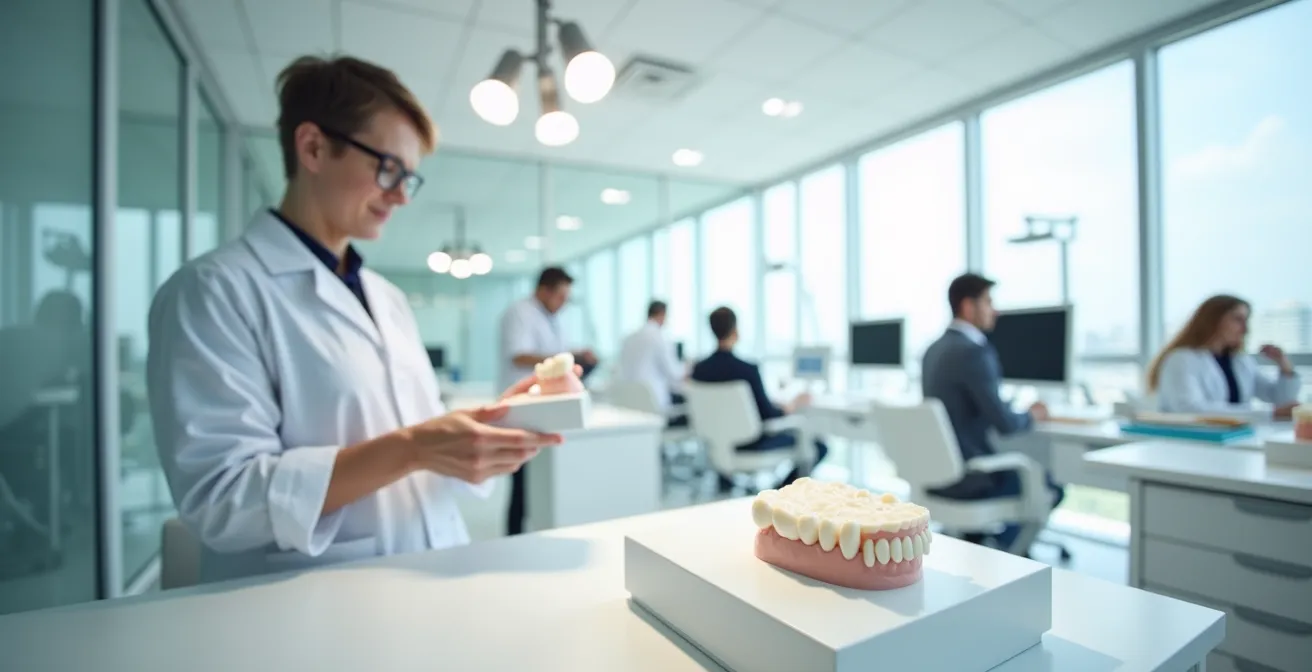
Beyond just asking about courses, you should also ask to see a portfolio of cases that are similar in complexity to your own. To properly evaluate their skills, consider asking these critical questions:
- How many smile makeover cases like mine do you complete each month or year?
- Can you show me before-and-after photos of cases with similar initial challenges?
- Who is your dental ceramist, and what is their background? (The technician who makes the veneers is as important as the dentist).
- Which specific continuing education programs focused on aesthetics have you completed?
A confident and truly experienced dentist will welcome these questions and be proud to share their credentials and portfolio with you. Hesitation or vague answers should be considered a major red flag.
How to Plan a Full Smile Makeover in Montreal Before a Major Event?
A full smile makeover is a transformative journey, but it is not a quick fix. If you’re planning this transformation for a major life event in Montreal, like a wedding or significant anniversary, meticulous timeline planning is essential. Rushing the process is one of the biggest mistakes a patient can make, as it compromises every stage from diagnosis to final placement. A high-quality smile makeover requires a multi-disciplinary approach and cannot be completed in just one or two visits.
The total duration depends heavily on the initial state of your oral health and your specific goals. For instance, if your teeth are misaligned, a short course of orthodontics (like Invisalign) may be required first to create the ideal foundation for veneers. This step alone can take several months but ensures a more conservative, beautiful, and durable final result. A reputable dentist like Dr. Berbari at Montreal Smiles works closely with patients to establish these cosmetic goals during a collaborative planning phase, ensuring the final outcome aligns perfectly with expectations.
A realistic timeline is crucial for a stress-free experience and a superior outcome. A rushed job often leads to compromises in healing time, lab work quality, and the crucial “test-drive” phase with temporary veneers. The following table outlines a typical, well-paced timeline for a comprehensive smile makeover in Montreal.
| Timeline | Stage | Duration |
|---|---|---|
| 6 months before | Initial consultation & comprehensive assessment | 1-2 weeks |
| 5 months before | Potential orthodontics or gum health treatments | 3-4 months |
| 2 months before | Veneer preparation & placement of temporaries | 2-3 weeks |
| 1 month before | Final porcelain veneer placement | 1-2 appointments |
| 2 weeks before | Final adjustments, bite check & polish | 1 appointment |
This schedule, based on processes used in top clinics like those referenced in published Montreal smile makeover guides, allows for necessary healing, precise lab fabrication, and a thorough trial period, ensuring you arrive at your big day with a confident, radiant, and healthy smile.
Prep vs. No-Prep Veneers: Which One Looks More Natural?
The debate between “prep” and “no-prep” veneers is a common point of confusion for patients. “No-prep” veneers are often marketed as a less invasive option, which sounds appealing. However, the most natural-looking result is not determined by the technique’s name, but by its appropriate application to your specific case. For the vast majority of patients, some degree of tooth preparation is essential to avoid a bulky, artificial appearance.
Tooth preparation (or “prep”) involves the conservative removal of a very thin layer of enamel from the front of the tooth, typically between 0.3 to 0.5 millimeters. This minimal space is required for the porcelain veneer to sit flush with the gum line and look like a natural part of the tooth, rather than a thick, “stuck-on” shell. As Dr. Berbari of Montreal Smiles candidly states, without this preparation, veneers can look unnatural.
Without enamel preparation, veneers will appear bulky and unnatural – Montreal clinics strive to be conservative during this step and only make alterations that are totally necessary.
– Dr. Berbari, Montreal Smiles Dental Practice
No-prep veneers are only a suitable option in a very small number of specific cases, such as for patients with small teeth and large gaps between them. For most people, adding a layer of porcelain without creating space will result in over-contoured teeth that look and feel thick. A master cosmetic dentist knows how to be extremely conservative during the preparation phase, preserving as much healthy tooth structure as possible while creating the necessary profile for a seamless, lifelike result. In fact, clinical studies confirm that glass-ceramic veneers with minimal or no preparation showed the highest survival rates, underscoring the importance of a conservative approach.
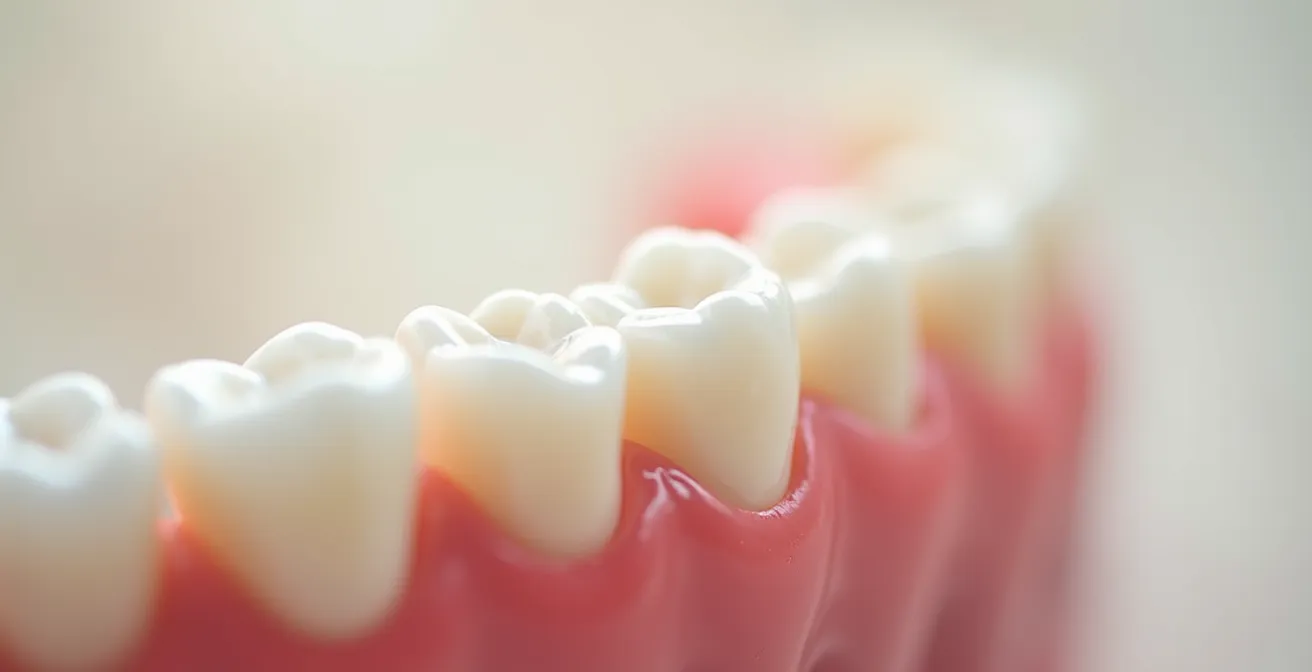
The goal is not “no preparation,” but “optimal preparation.” This is an artistic and technical skill that separates true experts from novice practitioners. The decision should be based on a comprehensive analysis of your smile, not a marketing trend.
Key Takeaways
- In Quebec, “Cosmetic Dentist” is a marketing term, not an official specialty recognized by the ODQ. Vet the dentist, not the title.
- True expertise is demonstrated through verifiable post-graduate training at respected institutions and a portfolio of cases similar to yours.
- A process including a comprehensive paid consultation and a digital mockup “test-drive” is the best insurance against unsatisfactory results.
How Digital Mockups Prevent “Buyer’s Remorse” with Veneers?
Beyond the technical process, the digital mockup serves a profound psychological and financial purpose. It fundamentally transforms the patient experience from one of anxiety and hope into one of confidence and co-creation. The “buyer’s remorse” that patients fear is born from a mismatch between their internal vision and the final clinical reality. The mockup process systematically eliminates this gap, ensuring that what you see and approve is exactly what you get.
Financially, the mockup is your most powerful form of insurance. A full smile makeover is a significant investment, on par with a luxury car or a home renovation. You would never purchase a car without a test drive, yet many patients commit to permanent dental work based on a computer simulation alone. The tangible, wearable temporary allows you to identify any issues—be it a slight imperfection in shape or a concern about speech—at a stage where correction is simple and inexpensive. It prevents the catastrophic financial and emotional cost of having to redo a full set of veneers.
This process also builds a deep level of trust between you and your dentist. By inviting you to be an active participant in the design of your own smile, the dentist shifts the dynamic from a passive patient to an empowered partner. You are not just being “told” what will look good; you are part of the team defining it. This collaborative journey ensures that by the time the final veneers are ready for bonding, there are no surprises. You feel ownership and excitement, not apprehension. This process-driven result is the hallmark of a truly patient-centric practice.
To ensure your investment results in a smile you love, your next step is to critically evaluate a potential dentist’s process and training, not just their marketing gallery. Choose a practitioner in Montreal who embraces this transparent, patient-first philosophy.
Frequently Asked Questions about Cosmetic Dentistry Recourse in Quebec
Can I get compensation through the ODQ for aesthetic dissatisfaction?
Filing a request with the Office of the Syndic is not the appropriate recourse for obtaining compensation for aesthetic reasons. The ODQ directs patients to contact the civil courts for such matters.
What should I do first if I’m dissatisfied with my veneers?
The Ordre des dentistes du Québec encourages you to talk to your dentist first to express your dissatisfaction and receive answers to your questions. Open communication is the recommended initial step.
When can I file a complaint with the ODQ?
You can submit an inquiry request to the Office of the Syndic if you believe a dentist has failed to meet the ethical obligations and professional standards imposed by their profession.