
For new Montreal parents, the conflicting advice around a child’s first dental visit can be a source of real anxiety. The key isn’t just picking an age, but understanding that this first appointment is the start of a lifelong oral health partnership. This guide moves beyond the “when” to explain the “why” behind early dental care, providing a clear, stage-by-stage roadmap from gum care before the first tooth erupts to navigating local resources like CLSCs, ensuring you can make confident, proactive choices for your child’s well-being.
As a new parent in Montreal, you’re navigating a world of firsts, and with them comes a flood of advice—often contradictory. One of the most common points of confusion is your child’s first dental visit. Should you go when the first tooth appears? At one year old? Or is waiting until age three okay? This uncertainty can be stressful, leaving you worried about doing the right thing for your little one’s future smile.
Much of the standard advice focuses on generic tips like “make it fun,” which are helpful but don’t address the core questions you have. The debate between waiting and going early overlooks a fundamental concept: the first visit isn’t just about checking for cavities. It’s about establishing a positive relationship with dental care and empowering you, the parent, with the knowledge to prevent problems before they even start. It’s about creating an “oral health partnership” with a trusted professional.
But what if the key wasn’t simply booking an appointment by a certain date, but understanding the crucial developmental milestones of your child’s mouth? This guide is designed to do just that. We will move beyond the conflicting timelines to focus on the ‘why’ behind each stage of early oral care. We’ll explore how to prepare for a positive first experience, what those little white spots on your baby’s gums might mean, and how to gently manage habits like pacifier use and thumb sucking, all within the context of Montreal’s healthcare landscape.
This article will provide a clear, step-by-step framework to demystify the process. Follow along as we cover the essential topics that will equip you to build a foundation of excellent oral health for your child, right from the very beginning.
Summary: A Parent’s Guide to Early Dental Milestones in Montreal
- How to Make the First Dental Visit Trauma-Free for a Toddler?
- Bottle Rot: Identifying the White Spots on Your Baby’s Gumline
- When to Stop the Pacifier to Prevent Permanent Jaw Damage?
- Toothbrush or Cloth: How to Clean Gums Before Teeth Erupt?
- Can Sharing a Spoon With Your Baby Cause Them to Get Cavities?
- Why Does My Child’s Jaw Click When They Chew?
- Will Thumb Sucking Cause Permanent “Buck Teeth” After Age 4?
- How to Make the First Dental Visit Trauma-Free for a Toddler?
How to Make the First Dental Visit Trauma-Free for a Toddler?
The goal of the first dental visit is not just an examination; it’s a positive introduction. For a toddler, a new environment with unfamiliar sounds and faces can be intimidating. The key to a trauma-free experience lies in proactive preparation and choosing the right environment. This first step sets the tone for all future dental care, so making it a gentle and encouraging event is our top priority as pediatric specialists. The visit should feel more like a friendly meet-and-greet than a clinical procedure.
In Montreal, many pediatric dental clinics are designed specifically to ease a child’s anxiety. When you call to book an appointment, you are in the driver’s seat. Asking the right questions can help you find a practice that aligns with a gentle approach. For instance, inquire about their specific techniques for handling anxious toddlers. A truly child-focused clinic will be happy to explain their methods, such as using the “tell-show-do” technique or offering distractions like ceiling-mounted TVs.
Case Study: The Montreal Children’s Hospital Tiny Teeth Program
Montreal’s leading institutions pioneer this gentle approach. The “Tiny Teeth, Big Smiles Clinic” at the Montreal Children’s Hospital provides specialized care for very young children, including those with traumatic injuries or early childhood tooth decay. Their model demonstrates how a trauma-free experience is created through age-appropriate environments, specially trained staff, and a deep understanding of child development. This philosophy of care is the gold standard that parents should look for in any pediatric dental practice.
Finding a clinic that understands the nuances of pediatric care in Quebec is also vital. Asking about their familiarity with the “Premier bilan” (First Check-up) approach ensures they are aligned with provincial health recommendations. A positive first visit builds a foundation of trust that can last a lifetime, transforming dental care from a source of fear into a normal, healthy routine.
Bottle Rot: Identifying the White Spots on Your Baby’s Gumline
One of the primary reasons for an early dental visit is to prevent and identify Early Childhood Caries (ECC), often called “bottle rot.” This condition can progress rapidly in primary teeth. It’s caused by prolonged exposure of a baby’s teeth to liquids containing sugar, like milk (including breastmilk), formula, or juice, especially when a child is put to bed with a bottle. The first sign isn’t a brown spot or a hole; it’s much more subtle. As a parent, learning to spot these early warnings is a crucial part of proactive prevention.
You may notice chalky white lines or dull spots appearing on the teeth, typically right at the gumline. These spots are an indication of demineralization—the very first stage of a cavity. They are often missed because they can be faint, but they are a clear signal that the enamel is weakening. A common pattern for bottle rot is that it affects the upper front teeth while sparing the lower front teeth, which are protected by the tongue and saliva flow.
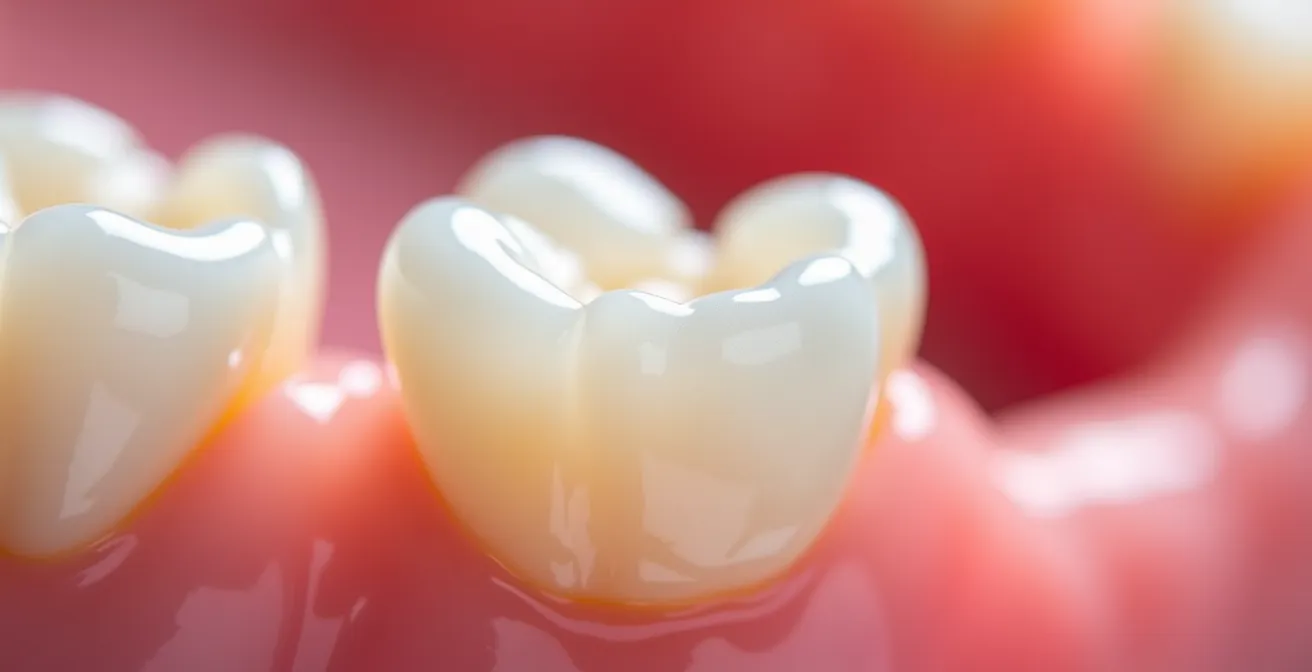
It’s important to distinguish these warning signs from other common, harmless bumps. Many babies develop Epstein pearls—small, white, pearl-like cysts on the gums—which are completely normal and disappear on their own. The following table helps clarify what to look for and when to be concerned. The prevalence of this issue is significant; in the U.S., it’s been noted that nearly 44 percent of 5-year-old children have experienced tooth decay, highlighting the need for early vigilance.
This table, based on clinical signs outlined in medical literature, can help you differentiate between normal findings and the early signs of decay that warrant a professional evaluation.
| Appearance | Condition | Action Needed |
|---|---|---|
| White pearl-like bumps | Epstein pearls (normal) | No treatment required |
| Chalky white lines at gumline, sparing lower incisors | Early decay/bottle rot | See dentist immediately |
| Pink, smooth gums | Healthy gums | Continue good oral hygiene |
When to Stop the Pacifier to Prevent Permanent Jaw Damage?
Pacifiers can be a wonderful tool for soothing a baby and satisfying their natural sucking reflex. For many new parents, they are a lifesaver. However, there comes a point when this comforting habit can start to interfere with the healthy development of your child’s jaw and teeth. The question isn’t *if* you should stop, but *when* and *how* to do it gently to prevent long-term issues like an open bite or crossbite.
The consensus among pediatric specialists is clear. While pacifier use is perfectly acceptable in infancy, prolonged use can affect the alignment of the front teeth and the shape of the roof of the mouth. According to the American Academy of Pediatrics, parents should consider weaning around 6 months and aim to have the process complete by age two. The most significant changes to the jaw and bite tend to occur with intense or prolonged sucking habits that continue past the age of three or four.
The key to success is a gradual and positive approach. Quitting “cold turkey” can be distressing for a child who relies on the pacifier for comfort. Instead, start by limiting its use to nap times and bedtime. Offer alternative comfort objects, like a special blanket or a stuffed animal. As your child gets older, you can involve them in the process. Creating a “goodbye” ceremony or using a reward system can turn a potentially tearful transition into a positive milestone of growing up.
Your Action Plan: Montreal-Specific Pacifier Weaning Rewards
- Create a visual chart: Use a star chart to track pacifier-free periods, with small daily rewards for success.
- Plan milestone outings: Make it a Montreal adventure! Promise a special trip to the Biodome after one full week without a pacifier.
- Celebrate big wins: For two weeks of success, plan a celebratory family picnic on Mount Royal.
- Limit and replace: Restrict pacifier use to naps and bedtime only, always offering a favorite stuffed animal or blanket as a replacement comforter.
- Coordinate with your daycare: Ensure your approach is consistent by speaking with your child’s educators at their CPE or garderie.
Remember, every child is different. The goal is to guide them away from the habit before it can cause permanent changes, while still acknowledging their need for comfort. A gentle, consistent strategy is always the most effective.
Toothbrush or Cloth: How to Clean Gums Before Teeth Erupt?
Oral hygiene doesn’t begin when the first tooth appears; it starts right from birth. Many new parents wonder if they need to do anything before they can see any teeth. The answer is a definitive yes. Cleaning your baby’s gums is a crucial step that serves two important purposes: it removes residual milk sugars that can feed bacteria, and it gets your baby accustomed to the sensation of oral cleaning. This simple daily habit makes the transition to a toothbrush much easier down the road.
So, what should you use? Before teeth erupt, you don’t need a toothbrush. A soft, damp washcloth or a piece of sterile gauze wrapped around your finger is perfect. Gently wipe your baby’s gums, tongue, and the inside of their cheeks at least once a day, ideally after the last feeding before bedtime. The pressure should be very gentle, like a little massage. As your baby gets used to this, they may even find it soothing, especially during teething.

Once the first tooth emerges, you can graduate to a soft-bristled infant toothbrush or a silicone finger brush. Use a tiny smear of fluoridated toothpaste—no larger than a grain of rice—for children under three. This early introduction to oral care is a cornerstone of the preventive health model in Quebec. It’s a topic often covered in well-baby visits.
Case Study: How Quebec’s CLSCs Integrate Infant Oral Care
Local CLSCs in Montreal often integrate gum care education into routine well-baby appointments. Nurses and health professionals emphasize this early start, teaching parents that cleaning gums helps babies accept future toothbrushing without a fuss. They also reinforce the official recommendation to schedule the first dental visit within six months of the first tooth’s eruption, or by age one at the latest. During this “Premier bilan,” the dentist establishes trust, examines the new teeth, and reviews brushing techniques with the parents, creating a true partnership in the child’s health.
By making gum cleaning a part of your daily routine from the very beginning, you are laying a powerful foundation for a lifetime of healthy habits.
Can Sharing a Spoon With Your Baby Cause Them to Get Cavities?
It’s a common, almost unconscious gesture for a parent: taking a bite of baby food to check the temperature or cleaning a dropped pacifier with your own mouth. While done with the best intentions, sharing saliva with your baby can unfortunately transmit cavity-causing bacteria. The primary culprit is a bacterium called Streptococcus mutans, which feeds on sugar and produces acid that erodes tooth enamel. Babies are not born with this bacteria; they acquire it from others, most often their primary caregivers.
Research is clear on this point. Clinical studies refer to a critical period called the “window of infectivity,” typically between 6 and 31 months of age. According to this research, children who acquire S. mutans earlier in life are at a greater risk for cavities, even before their first tooth fully erupts. This is why seemingly harmless actions like sharing spoons, forks, or straws, or testing food from the same utensil, can have long-term consequences for a child’s dental health.
This doesn’t mean you need to live in a sterile bubble or feel guilty about accidental sharing. The goal is harm reduction, not perfection. The most effective way to protect your baby is by maintaining your own excellent oral health. By regularly brushing, flossing, and visiting the dentist yourself, you reduce the amount of harmful bacteria in your own mouth, thereby lowering the risk of transmission. It’s about shifting the focus from a single action to an overall environment of good oral hygiene for the entire family.
Your Action Plan: Harm-Reduction Tips for Montreal Parents
- Avoid direct saliva sharing: Make a conscious effort not to share spoons, forks, or pacifiers, and avoid cleaning a pacifier with your mouth.
- Don’t panic if it happens: If accidental sharing occurs, the best response is not worry, but consistent daily oral hygiene for your baby.
- Prioritize your own oral health: Maintaining your own dental health is one of the best ways to protect your child. Regular check-ups reduce your own bacterial load.
- Wipe gums after feeding: After every feeding, gently wipe your baby’s gums with a damp washcloth or gauze to remove residual sugars.
- Consider your dental coverage: Since adult preventive care is key, investigate Quebec’s private dental insurance options to supplement what isn’t covered by RAMQ, ensuring your own dental health is a priority.
By being mindful of these simple practices, you can significantly reduce your child’s risk of early cavities and set them on a path to a healthy smile.
Why Does My Child’s Jaw Click When They Chew?
Hearing a clicking or popping sound from your child’s jaw when they eat or yawn can be unsettling for a parent. While it’s easy to jump to worrisome conclusions, in many cases, these sounds are harmless. The jaw joint, or temporomandibular joint (TMJ), is complex. In children, the ligaments and cartilage are still developing, and occasional clicking can simply be a part of that growth process as things settle into place. It’s often transient and resolves on its own without any intervention.
However, if the clicking is accompanied by other symptoms, it warrants a closer look. The key is to distinguish between a simple, painless click and signs of a potential TMJ disorder (TMD). A pediatric dentist should evaluate any jaw sounds that are paired with pain during chewing, difficulty opening or closing the mouth, frequent headaches, or a jaw that seems to “lock” in place. These symptoms suggest that the joint may be inflamed or that the small disc of cartilage within the joint is not moving smoothly.
Even if a TMD is suspected, treatment is often conservative and straightforward, especially in children. The first line of defense is usually to give the jaw a rest. This can involve switching to a soft-food diet for a few days, discouraging habits that strain the jaw (like chewing on pencils or ice), and using a cold compress to alleviate any discomfort. Montreal’s healthcare system provides clear referral pathways from your pediatrician or pediatric dentist to a specialist if the problem persists, but simple at-home care is often all that is needed.
This table can help you assess the severity of your child’s symptoms and decide on the appropriate course of action.
| Symptom | Severity | Action Required |
|---|---|---|
| Occasional, painless clicking when opening mouth | Low | Monitor at home |
| Pain in the jaw, face, or head when chewing | Moderate | See pediatric dentist |
| Mouth or jaw gets “locked” open or shut | High | Visit pediatric dentist or emergency room |
The most important step is not to panic. Monitor the situation, look for associated pain, and consult your pediatric dentist if you have any concerns. They can provide a proper diagnosis and guide you on the best path forward.
Will Thumb Sucking Cause Permanent “Buck Teeth” After Age 4?
Thumb sucking is a natural, self-soothing reflex for babies and toddlers. For most children, it’s a harmless habit that they outgrow on their own. As a parent, it’s easy to worry about the long-term effects on your child’s teeth. The good news is that for the first few years, the habit generally causes no permanent harm. The potential for dental issues arises when the habit persists vigorously after the permanent teeth have started to erupt.
According to the American Association of Orthodontists, most children stop sucking their thumb between the ages of 2 and 4. If the habit stops before the permanent front teeth come in (around age 6-7), any minor changes to the bite or alignment of the baby teeth will often correct themselves. The real concern is for children who continue to suck their thumb frequently or intensely beyond this age. This constant pressure can push the upper front teeth forward, creating an overjet (often called “buck teeth”), and can also lead to an open bite, where the front teeth don’t meet when the back teeth are closed.
As leading orthodontic experts state, the risk becomes much more significant as a child gets older.
Children who continue thumb sucking beyond age 4 or 5 are more likely to develop issues like improper bite or jaw alignment, which can lead to more intensive orthodontic treatment later on.
– American Association of Orthodontists, AAO Guidelines on Thumb Sucking and Orthodontics
The best approach to stopping the habit is positive reinforcement, not punishment. Shaming or nagging a child can increase their anxiety and make them cling to the soothing habit even more. Instead, focus on praise and rewards for periods of not sucking their thumb. It’s also helpful to identify the triggers—does your child suck their thumb when tired, bored, or stressed? Offering an alternative comfort, like a hug or an engaging activity, can help break the cycle.
Your Action Plan: Positive Behavior Modification for Montreal Families
- Use positive reinforcement: Create a reward system with a sticker chart and small incentives for progress. Never use scolding or punishment.
- Make it a Montreal adventure: Turn milestones into exciting outings. For a full week without thumb sucking, celebrate with a trip to the Planetarium.
- Identify triggers: Observe when and why your child sucks their thumb (e.g., when tired, watching TV). Offer an alternative comfort during these times.
- Explain the long-term benefits: For older children, you can gently explain the “big kid” benefits, including the financial aspect of preventing thousands of dollars in future orthodontic fees not typically covered by RAMQ.
Key Takeaways
- First Visit by First Birthday: The consensus is to schedule the first dental visit within 6 months of the first tooth erupting, or by age one, to establish a preventive “dental home.”
- Hygiene Starts Before Teeth: Cleaning your baby’s gums daily with a soft cloth removes sugar and accustoms them to oral care, making future brushing easier.
- Habits Have a Timeline: Pacifier and thumb-sucking habits are generally harmless before age 2-3 but should be gently phased out before age 4 to prevent long-term effects on jaw and tooth alignment.
How to Make the First Dental Visit Trauma-Free for a Toddler?
We’ve discussed how to prepare for the first visit, but what makes the experience itself positive and trauma-free? It comes down to a combination of a child-focused environment, a gentle clinical approach, and positive reinforcement. The experience during and after the appointment is just as crucial as the preparation. A successful visit is one where your child leaves feeling safe, curious, and even proud of themselves.
A great pediatric dentist in Montreal will make the visit an interactive experience. They might use a “knee-to-knee” examination, where your toddler sits on your lap facing you, and then leans back into the dentist’s lap. This keeps your child physically connected to you, their source of security. The dentist might use playful language, calling their mirror a “tooth counter” or the suction a “thirsty straw.” These small details transform a clinical procedure into a game.
After the visit, a little celebration goes a long way. Praise your child for their bravery, regardless of how it went. Many clinics offer a small prize from a treasure box, which helps to end the visit on a high note. This positive association is incredibly powerful. It teaches your child that the dentist’s office is a place of care and encouragement, not fear. This principle of positive reinforcement is the same one we use to gently guide children away from habits like thumb sucking and pacifier use, creating a consistent and supportive approach to their overall health.
The next step is to find that trusted local partner for your family’s oral health journey. Use the knowledge from this guide to schedule your child’s first positive and empowering dental visit in Montreal today, establishing a foundation of trust and well-being that will last for years to come.