The key to handling a dental crisis in Montreal is not just knowing which clinics are open, but correctly assessing your situation to choose the right type of care.
- A true medical emergency (facial swelling, fever) requires a hospital ER; most other dental pain is best handled by a private emergency dentist.
- Effective at-home pain management can make the wait bearable and prevent unnecessary, costly after-hours visits for non-urgent issues.
Recommendation: Use this guide’s triage framework to determine your next step calmly, saving you time, pain, and money by avoiding the wrong waiting room.
The sharp, throbbing pain starts on a Saturday night. Your dentist is closed, and a wave of panic sets in. This scenario is all too common for Montrealers facing a dental emergency outside of the 9-to-5. The immediate reflex is often a frantic search for any “24/7 dentist,” leading to rushed decisions, potentially long waits, and unexpected costs. While finding an open clinic is part of the solution, it’s not the first or most critical step.
The standard advice—rinse with salt water, find an emergency number—often falls short. It doesn’t help you understand the severity of your situation. Is a lost filling a true emergency, or can it wait until Monday? Is your abscess a dental problem or a medical crisis requiring a hospital? These distinctions are vital in a city with a specific healthcare landscape like Montreal’s, where the wrong choice can mean hours of waiting in an ER for a problem they aren’t equipped to solve.
This guide takes a different approach. Forget the panic. We will empower you to act as your own calm, effective triage officer. Instead of just providing a list, we will give you a clear framework to assess your situation, manage pain effectively at home, and navigate the Montreal-specific system. You will learn the crucial difference between a hospital-level issue and a private clinic case, understand what RAMQ covers, and know the right questions to ask to avoid hidden fees.
By following this structured approach, you will be able to make the best possible decision for your health and your wallet, transforming a moment of crisis into a manageable situation. This guide breaks down the essential steps to take when faced with a dental emergency in Montreal, ensuring you get the right care, at the right place, without delay.
Summary: Navigating Montreal’s After-Hours Dental Care System
- Why a Lost Filling Isn’t Always a Same-Day Emergency?
- How to Manage Severe Dental Pain at Home While Waiting for Your Appointment?
- Hospital ER or Private Dentist: Who Should You Call for a Abscess?
- The Surcharge Mistake: Avoiding Hidden Fees in “24/7” Dental Advertisement
- What 5 Items Should Every Montreal Family Have in Their Dental First Aid Kit?
- Why Is Your Toothache Worse at Night and How to Sleep Through It?
- What Does RAMQ Actually Cover for Adult Dental Care vs Private Insurance?
- How to Manage Severe Dental Pain at Home While Waiting for Your Appointment?
Why a Lost Filling Isn’t Always a Same-Day Emergency?
A lost or cracked filling can cause immediate alarm, but it rarely constitutes a full-blown emergency requiring a midnight clinic visit. The deciding factor is not the event itself, but its consequences. The goal of your initial self-assessment is to determine if the situation is causing significant pain, functional problems, or further damage. A filling that simply falls out without any associated pain is an urgent matter that should be addressed within a few days, but not necessarily in the middle of the night.
Your primary concerns should be unbearable pain, a sharp edge cutting your tongue or cheek, or a significant aesthetic issue with a front tooth. Without these factors, you can likely manage the situation temporarily. Chewing on the opposite side of your mouth and keeping the area clean can prevent complications until you can see your regular dentist. Rushing to an after-hours clinic for a low-pain, non-damaging lost filling may result in paying a significant surcharge for a temporary fix that your own dentist could handle more comprehensively during regular hours.
Using a triage framework helps you make a logical, rather than emotional, decision. By systematically evaluating your symptoms, you can confidently determine if you need immediate care or if you can safely wait. This saves you stress, time, and the expense of an unnecessary emergency visit. The following checklist, adapted from triage principles used by dental professionals, will guide you through this assessment.
Your Triage Checklist for a Lost Filling
- Rate Your Pain: On a scale from 0 (no pain) to 10 (unbearable), what is your current pain level? A score above 7 indicates a higher urgency.
- Check for Damage: Gently run your tongue over the tooth. Are there sharp edges cutting your tongue or inner cheek? This increases urgency as it can cause soft tissue injury.
- Assess Function & Aesthetics: Is it a visible front tooth that significantly affects your appearance or ability to speak? This can justify a more immediate consultation.
- Evaluate Sensitivity: Is the tooth extremely sensitive to air, or hot and cold temperatures, to the point where it’s debilitating?
- Contact a Professional: If your assessment leaves you with high scores for pain or damage, or if you are simply uncertain, call a dental emergency line or Info-Santé 811 for professional guidance.
How to Manage Severe Dental Pain at Home While Waiting for Your Appointment?
When you’re faced with severe dental pain after hours, the immediate goal is not to cure the problem but to reach a “pain plateau”—a manageable level of discomfort that allows you to function and rest until you can see a dentist. Effective home care is your first line of defense. These methods are designed to reduce inflammation and numb the area temporarily, providing critical relief.
Start with the simplest, most direct remedies. A salt water rinse (half a teaspoon of salt in a cup of warm water) is not just an old wives’ tale; it’s an effective way to clean the affected area of debris and act as a natural disinfectant. Swish gently for 30 seconds and spit it out. Do not swallow the water. This can be repeated every few hours. For localized swelling and throbbing pain, a cold compress is essential. Apply an ice pack wrapped in a thin towel to the outside of your cheek for 20-minute intervals. This constricts blood vessels, which can significantly reduce inflammation and numb the nerve endings.
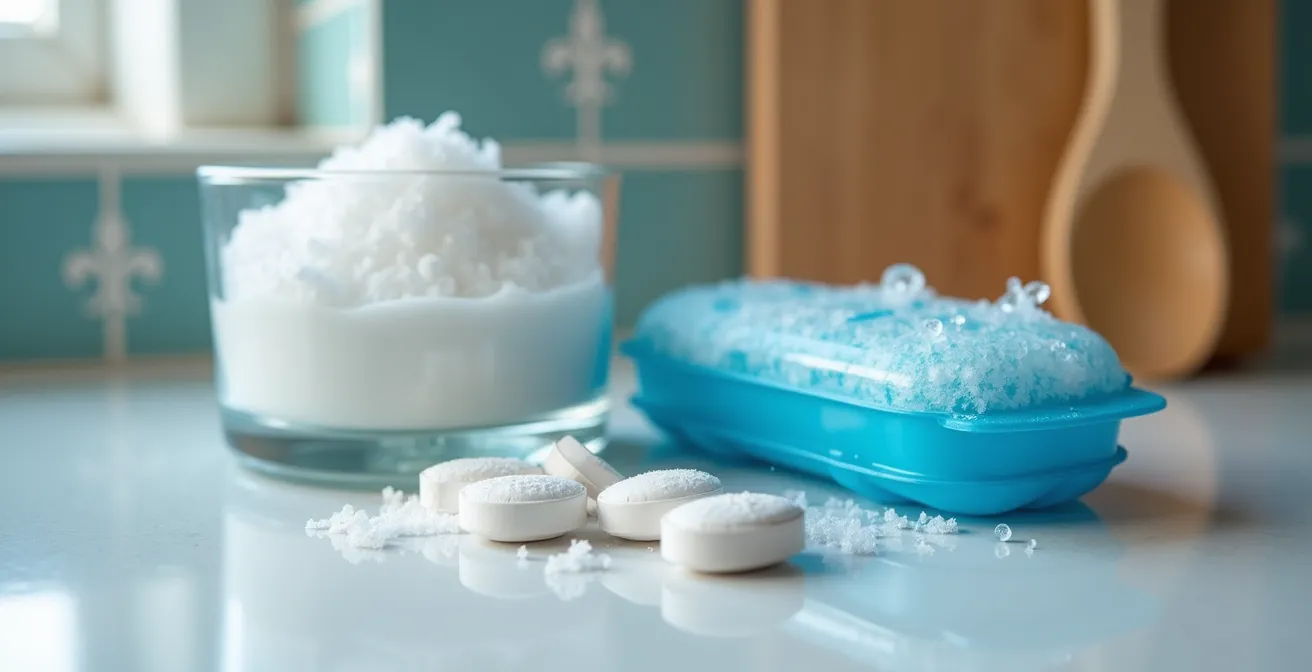
If these measures aren’t sufficient, over-the-counter pain medication is the next step. Anti-inflammatories like ibuprofen (Advil, Motrin) are often more effective for dental pain than simple painkillers because they directly target the inflammation that is causing the pressure on your nerves. Acetaminophen (Tylenol) can also be used, especially if you cannot take ibuprofen. Always follow the dosage instructions on the package and never place medication directly against the gum or tooth, as this can cause a chemical burn.
Hospital ER or Private Dentist: Who Should You Call for a Abscess?
This is the most critical triage decision you will make during a dental emergency in Montreal. Choosing the wrong facility can lead to hours of wasted time and unresolved pain. The guiding principle is to differentiate between a localized dental problem and a systemic medical emergency. A dental abscess is an infection, but its location and effects determine who you should call.
You should go to a hospital emergency room (like the MUHC or Jewish General) only if the infection shows signs of spreading and becoming a systemic issue. Red flags include:
- Fever
- Significant facial swelling that extends towards your eye or down your neck
- Difficulty swallowing or breathing
These symptoms indicate the infection may be threatening your airway or overall health. The ER will manage the medical emergency with IV antibiotics and pain medication, but they will not perform the dental procedure (like a root canal or extraction) needed to fix the source. You will still be referred to a dentist for follow-up. For this reason, professional triage is critical. As the McGill University Health Centre advises, “Patients are triaged and seen in order of priority. Waiting time is variable and based on the severity of the problem.”
Conversely, if your symptoms are localized to your mouth—such as a pimple-like swelling on the gum, severe tooth pain, or a bad taste in your mouth without the systemic red flags above—your best and fastest option is a private emergency dental clinic. They are equipped to drain the abscess, initiate a root canal, or perform an extraction to resolve the source of the infection directly. The following table breaks down the decision-making process.
| Criteria | Hospital ER (MUHC, Jewish General) | Private Emergency Dentist |
|---|---|---|
| Best for | Fever, facial swelling affecting eye/breathing, difficulty swallowing | Localized gum swelling, dental pain without systemic symptoms |
| Treatment provided | IV antibiotics, pain medication, manage systemic infection | Open and drain tooth, root canal initiation, definitive dental treatment |
| Wait time | 5+ hours average (non-priority cases) | Same-day appointment typically available |
| Cost coverage | Covered by RAMQ for medical emergency | Private insurance or out-of-pocket for dental procedure |
| Follow-up required | Yes – referral to dentist for source treatment | Yes – completion of root canal or extraction |
The Surcharge Mistake: Avoiding Hidden Fees in “24/7” Dental Advertisement
In the distress of a dental emergency, cost is often a secondary thought—until the bill arrives. Advertisements for “24/7” or “after-hours” dental clinics offer a lifeline, but this accessibility often comes with a significant price premium. Understanding the cost structure before you commit is a key part of your triage process. Emergency dental fees are not standardized and can include substantial surcharges for services rendered outside of regular business hours, on weekends, or on holidays.
The cost of dental care in Quebec is already on the rise; a blog post analyzing the ACDQ fee guide highlights a 5.7% average tariff increase for 2024, following a significant rise the previous year. Emergency fees are layered on top of this baseline. When you call a clinic, you must be prepared to ask direct questions about cost. Do not assume the price will be the same as a weekday appointment. Being a proactive, informed patient can save you hundreds of dollars. One patient shared their positive experience, noting the clinic “resolved my concerns quickly, with a good touch of humor and for a fraction of the price!” This highlights that transparent, fair-priced emergency care exists, but you must advocate for yourself.
Before you even leave your home, use this list of critical questions to get clarity on potential costs:
- What is your specific fee for an emergency examination? (This is the baseline cost just to be seen).
- Are there additional surcharges for a nighttime or weekend visit? If so, how much?
- Can you provide a general cost estimate for a simple extraction or the first stage of a root canal?
- Do you require full payment at the time of service, or do you offer payment plans?
- Do you bill my insurance directly, or do I need to pay upfront and claim reimbursement?
What 5 Items Should Every Montreal Family Have in Their Dental First Aid Kit?
The best way to handle a dental emergency is to be prepared before it happens. A well-stocked dental first aid kit can be the difference between panic and a calm, controlled response. It provides the tools to manage symptoms and protect a damaged tooth until you can get professional help. Instead of scrambling for supplies during a crisis, assembling a dedicated kit gives you peace of mind and immediate access to what you need.
This isn’t just about having painkillers on hand. It’s about having specific items for common dental injuries, contextualized for a Montreal lifestyle. From a knocked-out tooth during a hockey game to a broken orthodontic bracket, your kit should address plausible scenarios. The goal is to stabilize the situation, mitigate pain, and preserve any damaged or avulsed (knocked-out) teeth to give your dentist the best chance of saving them. Having everything in one place, clearly labeled, is crucial when you are under stress.
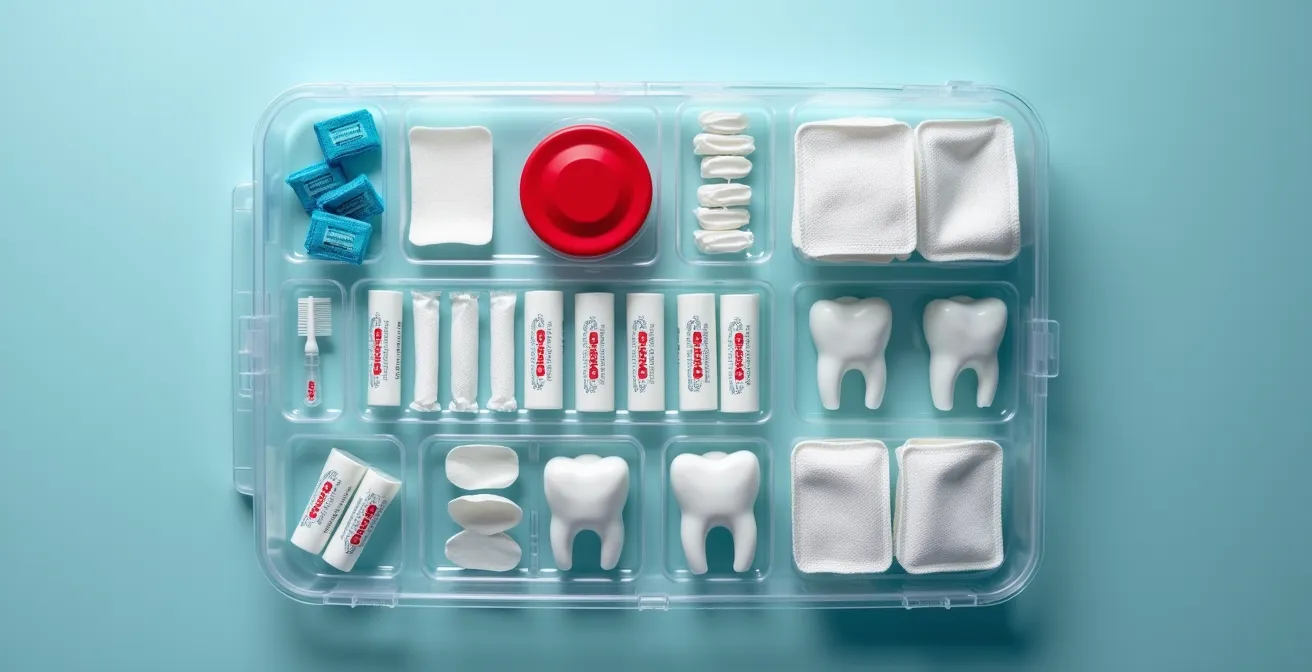
Here are five essential items every Montreal family should include in their dental emergency kit:
- Laminated Emergency Contact Card: Include numbers for Info-Santé (811), the Centre antipoison du Québec, your family dentist, and a pre-vetted 24/7 emergency clinic. Laminating it protects it from water damage.
- Small Sealed Container for a Knocked-Out Tooth: A small, sterile container clearly labeled ‘For knocked-out tooth – add milk or saliva’. This is critical for tooth preservation. Never transport a tooth in water.
- Temporary Filling Material and Dental Wax: Products like Dentemp or Refilit, available at local pharmacies, can temporarily cover a lost filling to reduce sensitivity. Dental wax is invaluable for covering sharp edges from a broken tooth or orthodontic wire.
- Sterile Gauze Pads: Essential for managing bleeding from a soft tissue injury or after a tooth is knocked out. Biting down on gauze can apply the necessary pressure to stop bleeding. This is particularly relevant given the popularity of sports like hockey in Montreal.
- Orthodontic Wax: For families with members undergoing orthodontic treatment, this is a must-have. It can temporarily stabilize a loose bracket or cover a poking wire, preventing painful sores inside the mouth.
Why Is Your Toothache Worse at Night and How to Sleep Through It?
It’s a frustratingly common phenomenon: a manageable toothache during the day erupts into a throbbing nightmare the moment your head hits the pillow. This isn’t your imagination. There are clear physiological reasons why dental pain intensifies at night. Understanding these factors is the first step toward finding relief and getting the sleep you desperately need while waiting for a dental appointment.
The primary culprit is a change in blood pressure. When you lie down (a supine position), more blood rushes to your head. In an infected or inflamed tooth, the pulp (the soft tissue inside) is swollen and trapped within the tooth’s hard walls. This increased blood flow and pressure at night causes the inflamed pulp to press even harder against the surrounding nerves, dramatically amplifying the pain signals sent to your brain. Furthermore, the quiet of the night and the lack of daytime distractions mean your brain has nothing else to focus on but the pain, making it seem all-consuming.
To counteract this, your goal is to create a pre-sleep ritual that addresses these triggers directly. This isn’t just about taking a pill and hoping for the best; it’s a multi-step approach to calm the area and set yourself up for the best possible rest.
- Take an Approved Painkiller: Administer an anti-inflammatory like ibuprofen about 45-60 minutes before you plan to sleep. This gives it time to start working before you lie down.
- Elevate Your Head: Use two or three pillows to keep your head elevated above your heart. This simple trick uses gravity to help reduce the blood pressure in your head, alleviating the throbbing pressure inside the tooth.
- Perform a Final Gentle Rinse: Use a lukewarm salt water rinse right before bed to clean the area of any food particles that could cause irritation overnight.
- Avoid Late-Night Stimulants: Do not eat or drink anything sugary, acidic, or very hot/cold before bed. This includes common Montreal treats like maple products, which can exacerbate sensitivity.
- Sleep on the Opposite Side: Try to sleep on the side opposite the affected tooth to avoid putting any direct or indirect pressure on the area.
What Does RAMQ Actually Cover for Adult Dental Care vs Private Insurance?
Navigating the financial side of a dental emergency in Montreal can be confusing. A common misconception is that the Régie de l’assurance maladie du Québec (RAMQ) card will cover most urgent dental procedures for adults. Unfortunately, this is not the case. For adults over the age of 10, RAMQ coverage for dental care is extremely limited, and it’s crucial to understand these limits to avoid unexpected out-of-pocket costs.
Essentially, RAMQ only covers certain oral surgery procedures performed in a hospital setting. It does not cover emergency examinations, root canals, or extractions performed in a private dental clinic, which is where most after-hours emergencies are treated. Your private dental insurance is your primary financial tool in these situations. Most private plans in Quebec cover between 50% and 80% of dental care costs, based on the annual fee guide from the Association des chirurgiens dentistes du Québec (ACDQ). However, you must still be aware of your plan’s annual maximums and specific coverage percentages for emergency procedures.
The introduction of the Canadian Dental Care Plan (CDCP) adds another layer, but it is targeted at uninsured Canadians with specific income levels and is not a universal solution for all emergency costs. As a comparative analysis from the Government of Canada shows, the financial responsibility for a common emergency like a root canal can vary dramatically depending on your coverage. This table illustrates the potential costs you might face.
| Coverage Type | RAMQ Only | Private Insurance (80% coverage) | Canadian Dental Care Plan (CDCP) |
|---|---|---|---|
| Emergency Root Canal (Molar) | $0 coverage – Full cost $800-$1500 | $640-$1200 covered, $160-$300 out-of-pocket | Up to 60% for eligible seniors |
| Hospital ER Visit (Infection) | Fully covered for medical treatment | Medical portion covered by RAMQ | Medical portion covered by RAMQ |
| Routine Dental Exam | Not covered | Typically 80% covered | Covered for eligible individuals |
| Emergency Extraction | $0 coverage – Full cost $200-$400 | $160-$320 covered, $40-$80 out-of-pocket | Varies by eligibility |
| Annual Maximum | N/A | Usually $1500-$2500 | Based on income level |
Key Takeaways
- Triage First, Act Second: Always assess the severity of your situation using a triage framework before rushing to a clinic. Differentiate between true emergencies and issues that can wait.
- Know Where to Go: A hospital ER is for systemic medical complications (fever, swelling affecting breathing). A private emergency dental clinic is for localized dental problems (tooth pain, abscess without fever).
- Clarify Costs Upfront: Emergency dental care includes surcharges. Always ask about the cost of the exam and potential treatments before you commit to avoid financial surprises.
How to Manage Severe Dental Pain at Home While Waiting for Your Appointment?
You’ve assessed the situation, and it’s not a life-threatening medical crisis. Now, your mission is to implement a personal pain management protocol to get you through the hours until your appointment. This is not about randomly trying remedies; it’s about a systematic, layered approach. Think of it as a sequence of actions designed to de-escalate the pain and inflammation as much as possible.
Your first step is always cleanliness. Gently rinse the area with warm salt water to remove any irritants. Step two is targeted cooling: apply a cold compress to the outside of your cheek for 20-minute intervals to reduce swelling. Only after these non-invasive steps should you move to step three: medication. An over-the-counter anti-inflammatory like ibuprofen is your best tool, taken as directed on the package to combat the underlying inflammation.
This structured approach is your most powerful tool in a moment of distress. It gives you a sense of control and a clear plan of action. By following these steps, you are actively managing your symptoms in the same way a medical professional would advise, ensuring you remain as comfortable as possible. This protocol turns you from a passive sufferer into an active manager of your own care while you wait for the definitive treatment you need.
Your final step is to be proactive. Use this experience to prepare for the future. Assemble the dental first aid kit described in this guide, save the contact information for your preferred emergency clinic in your phone, and review your dental insurance policy. Being prepared is the ultimate form of pain management.
Frequently Asked Questions About Montreal Dental Emergencies
How fast can I book an emergency dentist appointment in Montreal?
Most emergency dental clinics in Montreal will do their best to see you on the same day you call, with teams ready to provide quick, efficient care when you need it most.
What if I have severe dental pain after regular clinic hours?
If dealing with severe pain after hours, call the emergency line where staff will guide you through immediate pain management steps, sometimes recommending a cold compress, and arrange the earliest possible appointment.
Should I go to the ER or wait for a dentist appointment?
Hospital ERs in Montreal are for medical complications like spreading infections, but won’t perform dental procedures. For standard dental pain, emergency dental clinics are more appropriate and will have shorter wait times.